

Friday, July 26, 2019
As a part of our palliative care team’s educational efforts for the medical residents at Baystate Medical Center, a 712-bed tertiary care academic medical center in Springfield, MA, we prepare and present an academic half-day about twice a year. This year, since our turn came in March, we organized the teaching around a March Madness theme. We had a ton of fun preparing it and felt it was an engaging format for both the palliative care faculty and the residents. In the spirit of Christian Sinclair’s call to use the format in palliative care (as NephMadness has done so beautifully) we wanted to share what we learned and offer our materials and pearls of wisdom to the PalliMed community.
What we did
We began by having palliative care faculty members select two articles from the recent palliative care literature within four topic areas: communication, goals of care, symptom management, and existential distress. For the first round (about 70 minutes), each faculty member had 7-10 minutes to present their two chosen articles to the residents. Faculty volunteers were responsible for researching and identifying their own papers; we asked each faculty member to choose one review article and one recently published paper that would educate residents in palliative care competencies. We assigned two faculty to each topic area in order to provide a well-rounded and representative selection of papers.
After each of the first presentations, the residents voted for one article they found most relevant to their practice. Then we broke into groups of 4-6 residents with roaming faculty preceptors; the small groups allowed residents to delve deeper into the papers and to discuss which paper they felt was most influential and valuable to integrating palliative care into their practices. Faculty had prepared one-page summaries with insights about why they thought the paper was important. We tried to tailor the summaries to the resident perspective, as most are focused on primary palliative care. Next, we came together as a group to continue voting. After residents voted for each of the next pairings of papers we ended up with a final winner.

What worked well
The competitive nature of the format made it fun for both faculty and residents. The faculty member whose paper was voted the winner was promised a prize by our medical director: a jug of local maple syrup… highly coveted! This added to the excitement on the faculty side, and the residents quickly realized that faculty were competing for their selected papers to win. This prompted some good-natured “trash talking” and faculty efforts at persuading the residents to vote for their papers. We believe that the clear bracket framework allowed the residents to quickly review and engage with a broad selection from the palliative care literature.
What could have been better
We used lots of different technologies, and we should have had a test run prior to showtime in the actual room where we had the event. For instance, the YouTube link was expired; which meant our introductory video had to move later in the session, which might have led to confusion about what the theme of the event was. Also, because there were so many transitions (eight different presenters, fifteen voting opportunities) we struggled to hold resident attention and keep faculty on track. We received constructive feedback that some residents felt the organization could have been tighter and that an introduction to the theme would have been helpful for context (some were not familiar with basketball or March Madness). Some residents wished for more clear take-away points. The pace was fast; to those who were not paying close attention, it might have felt frenetic.
Final Thoughts
The March Madness themed academic half-day was a huge success. Since the work was distributed preparation was manageable for our eight interdisciplinary faculty . The advantages of the format are that it includes nerdy paper reviews, showcases the interdisciplinary nature of the palliative care team, and being interactive, it kept the attention of our resident physicians. We loved that the residents selected our Chaplain’s paper on Addressing a Patient’s Hope for a Miracle as their final winner; it showed us that this is clearly a difficult topic for residents and faculty alike.
The Winning Paper
Shinall, M. C., Stahl, D., & Bibler, T. M. (2018). Addressing a Patient’s Hope for a Miracle. Journal of Pain and Symptom Management, 55(2), 535-539. doi:10.1016/j.jpainsymman.2017.10.002
If you want to try our format…
We’d be happy to share what we did. We made:
- A two-minute video to showcase the theme (with AC/DC Thunderstruck as the score)
- An interactive excel spreadsheet with the brackets
- We used Turning Point for the voting. Consider having a tech person on site to manage the interactive technology (we had our tech-savvy librarian there).
- If you would like our materials (youtube video, excel brackets) e-mail sarah.rossmassler - at - baystatehealth.org.
Sarah Rossmassler works on the palliative care consult team at Baystate Medical Center in Springfield, MA. She recently completed her DNP at the MGH Institute of Health Professions during which she developed and implemented a QI project with Trauma Surgeons, teaching them the Best Case/Worst Case Communication framework. This work has spurred further interest in other types of graphic aids as communication tools for patients, families, and interdisciplinary teams. In her free time Sarah is caretaker of two mini donkeys (Luna and Mabel) who teach her daily about the importance of staying grounded.
Diane Dietzen is the Medical Director of the Palliative Care Program at Baystate Medical Center and is board certified in Internal Medicine and Hospice and Palliative Medicine. Prior to joining Baystate in 2011, Dr. Dietzen planned and developed a Palliative Care Program at the Abington Memorial Hospital in suburban Philadelphia. Dr. Dietzen served as an Associate Director of the Residency Program educating Internal Medicine Residents. Dr. Diane Dietzen earned her Medical Degree and completed her Internship and Residency at the Temple University School of Medicine.

Friday, July 26, 2019
Wednesday, November 2, 2016

I was fortunate to attend the 2016 CAPC conference in Orlando. Below are some of the most notable pearls I will be taking home with me.
1. Palliative care is about the relief of suffering. This requires a multifaceted approach and is something that case management based or disease management based programs do not address.
2. Palliative care clinicians are uniquely situated to comment on and participate in healthcare transformation. We need to be advocates and “rabble rousers” (per Dr. Martha Twaddle) to encourage our healthcare system to embrace a focus on prevention and well-being, not only on disease.
3. Dr. Diane Meier stated that we need to start looking at the patient as the “sun”, not the healthcare system; and that we as healthcare providers and systems of care need to orbit around our patients to truly deliver person-centered care.
4. Dr. Martha Twaddle noted, in the US we don’t spend more on healthcare but rather on the healthcare industry (hospitals, big pharma, and administration of healthcare). The healthcare industry is likened to a cruise ship that just keeps getting bigger and bigger, while our health outcomes are not improving at the same rate.
5. Social determinants of health (e.g. ability to meet daily needs of healthy food, safe environment; access to health care and education; access to economic opportunities) are incredibly influential on the health of a community. We cannot ignore these issues in palliative care. We need to be part of the broader conversation to improve overall access to care, resources and opportunity for everyone in this country. These issues impact our patients’ and caregivers’ ability to achieve wellness and healing. 6. Community-based palliative care is where the focus needs to be in the next 10 years.
7. Payment for community-based palliative care is difficult, but there are many creative ways to explore these issues, including partnering with ACOs, developing payer contracts with Medicare Advantage plans, grants, philanthropy, etc.
8. Telehealth is now entering the mainstream. The definition of telehealth is wide and includes synchronous (e.g. videoconferencing) and asynchronous (e.g. text, portals, apps) methods. These can be helpful to improve access to care and experience of care.
9. Every program needs to be measuring something, and many programs find this challenging with barriers of complex EMRs, lack of time and resources. Start small, but START. Piloting can be helpful to show the impact of programs to potential payer sources.
10. It’s important to remember that everyone has a story, including hospital administrators, insurance CEOs, and CMS administrators (by the way, the speech by the Center for Medicare Services Chief Medical Office, Dr. Patrick Conway gave me a renewed sense of hope). We saw this at CAPC as leaders in different sectors of healthcare shared their personal stories of loss of a loved one or a dear patient, and how this has impacted their outlook on hospice and palliative care. We all have a stake in good care for the seriously ill. It could be our mother next…It could be us. Tell the story, focus on the impact on the patient and family. People will connect with these stories in a personal way. This will help drive access to the type of care we know will make a difference for people with serious illness.
Bonus Take Home: We in the hospice and palliative care world need to lead the charge in shifting from the “Triple Aim” (improving the health of population, improving patient experience and outcomes and reducing cost of care) to the “Quadruple Aim” which includes an acknowledgement that the care of the patient also requires the care and satisfaction of the clinicians tending to these patients. In fact, our very ability to achieve the triple aim is threatened by high rates of burnout in our physicians and other healthcare providers. Recognition of burnout and self-care are integral components of effective palliative care, and we can be part of the broader conversation to improve the “health” in our healthcare system for ourselves and our patients.
You can find more from the conference on Twitter under the hashtag #CAPCSeminar16.
Laura Patel, MD is the Chief Medical Officer at Transitions LifeCare in Raleigh, NC.
Wednesday, November 2, 2016
Wednesday, March 23, 2016
by Joel Topf
Hospice and palliative medicine has been on my mind a lot recently. Of course, this is partly because it is a region in NephMadness but also because so much of the day to day work of a nephrologist deals with the end of life.
Last year I hosted a Hospice and Palliative Medicine chat. That chat focused on Tamura's ground breaking study, Functional Status of Elderly Adults before and after Initiation of Dialysis. Take a look at the blog post introducing that chat:
Have you ever read a journal article and as soon as you finished the abstract you had this forbidding feeling that if the authors actually proved what they claimed to have discovered your medical life will never be the same? This happened to me when I read, “Functional Status of Elderly Adults before and after Initiation of Dialysis (OPEN ACCESS)” by Tamura et al. in 2009.In that post I wrote, "While this study did not track patients who deferred dialysis it is hard to imagine they could do much worse." Well just last month, the other shoe dropped. We now have a well executed study that does look at the patients who deferred dialysis for conservative care:

In this study the entire cohort showed a survival advantage with dialysis care but on further subgroup analysis, patients over the age of 80 did not gain additional time on earth by choosing dialysis. In this case dialysis did not extend life.

Nephrologists need to start to train ourselves away from the reflex that dialysis is a way to extend life. In some easily identifiable patient groups it provides as much harm as benefit. And this is just counting days alive. If you compare the quality of those days, perhaps by looking at Tamura's Functional status study, dialysis begins to look especially grim.
This makes me happy that Palliative care is a region in NephMadness. NephMadness is an online, social media-engaged, medical education project in its fourth year. It is an homage to the NCAA basketball tournament, March Madness. We replace the teams with a bracket full of 32 different nephrology concepts from 8 different academic regions.


Then we replace the games (which normally decide the winners) with a blue ribbon panel that votes on each contest and selects the teams that advance through the brackets.

Participants are invited to fill out their own brackets and see how well they match up against the Blue Ribbon Panel. There are prizes and bragging rights at stake. And no we aren't nerds. Why do you ask?
Tonight's chat is going to examine the 4 concepts in the Palliative care region, each for about 15 minutes. The four entries are: Conservative care, Stopping Dialysis, Palliative Care Consult, Primary Palliative care

Dr. Joel Topf is a nephorologist who writes at Precious Body Fluids and is a leading social media ambassador in nephrology circles. You can find him on Twitter @kidney_boy.
What: #hpm (hospice and palliative med/care) chat on Twitter
When: Wed 3/23/2016 - 9p ET/ 6p PT
Host: Dr. Joel Topf follow @kidney_boy
Follow @hpmchat and go to www.hpmchat.org for up to date info.
If you are new to Tweetchats, you do not need a Twitter account to follow along. Try using the search function on Twitter. If you do have a Twitter account, we recommend using tchat.io for ease of following. You can also check out the new site dedicated to #hpm chat - www.hpmchat.org
For more on past tweetchats, see our archive here.

Wednesday, March 23, 2016
Tuesday, March 8, 2016
by Christian Sinclair
This is the Saturday, March 12, 2016 preview for the AAHPM and HPNA Annual Assembly. To learn more about this conference check out our overview, or see the previews for Wednesday, Thursday, and Friday.
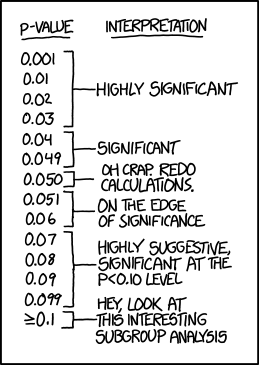
When it comes to comedy and research, there are few who can make it work. Maybe Improbable Research or xkcd, but not many others, except for the State of the Science presentation, this year presented by Dionne-Odom and Smith. Reliably incorporating clever and relevant jokes, this one is a must-see. Especially because we should be doing all the things highlighted in state of the science. They usually cover 6-10 studies and if we just did the things discussed in them each year, all our programs could be improving year over year.
After that you have some tough choices to make. Some big names are talking at the same time, but in different rooms: Charles von Gunten, Amy Abernethy, Diane Meier, Thomas Smith. You have to go with the topic that interests you most, but with choices like that you shouldn't be disappointed. Plus Twitter can help you catch highlights from the other rooms!
At noon is a special town hall-like panel with leaders from AAHPM, HPNA, and NHPCO on Critical Conversations: End-of-Life Care Treatment Options. This is such an important topic to the hospice and palalitive medicine community because we have members working in states where physician-assisted death is legal, and others where it is illegal but being considered. I'm very interested in how this session goes, because we need to have open dialogue about these large cultural forces which influence our work.
In the afternoon on the last day, you get your last chance to hear from the Developing Country Scholars who can help put our local barriers and opportunities in a whole new light. Maybe even inspire you to reach out to a international program and see how you may contribute. "Why Do I Still Hurt?" An Integrated mode of Survivorship and Palliative Care by Chwistek, Ewerth, Gallagher Amrhein and Ebersole is something I see a need for as I do more work in an outpatient clinic. There is a huge gap here and palliative care cannot fill it alone. And to finish off the day, I'm struggling between talks on organ donation, inotropes in advanced heart failure and opioid dosage errors. I guess I'll just have to buy the recordings!
Christian Sinclair, MD, FAAHPM is editor of Pallimed, president-elect of AAHPM, and a palliative care doctor at the University of Kansas.
Image credit: P-values by xkcd.com via Creative Commons License
Tuesday, March 8, 2016
by Christian Sinclair
This is the Friday March 11, 2016 preview for the AAHPM and HPNA Annual Assembly. To learn more about this conference check out our overview, or see the previews for Wednesday, Thursday and Saturday.

After the plenary, two sessions really caught my eye: Dignity Therapy: Narratives at the End of Life by Weckmann, White and Montross Thomas and "Bas Sona": Healing versus Sedating Using a Celtic Framework for Total Pain by Dieter, Waitkevich, Williams and Berry. Having read so much about Dignity Therapy, it will be nice to hear directly from practitioners applying the knowledge. And with Bas Sona, you got me hooked because I have no clue what it is, and my curiosity gene has been tickled.
Botulinum toxin for symptom control, pediatric VADs, and helping the unbefriended are all unique topics covered Friday afternoon, so don't think about playing hooky just yet. The one that catches my eye is the Prognostication, Relatedness and Hospice Formulary talk by Crook, Harrold, Lund Person, and Sears. Even though I am not a current hospice medical director (HMD), this topic is really important to sustainability of hospice organizations, and the threat of audits when rules are not clear or unequally followed in the community.
Later that day, the session by Kaye, Mahoney, Lyman and Cunningham on Face-To-Face Interdisciplinary Postmortem Review as a Tool to Mitigate Complicated Bereavement and Promote Legacy Building is intriguing because the title is one of the longest, and it sounds like a unique way to still care for patients and families even after death.
This day also has a few opioid safety sessions, which honestly you didn't see much at this conference in the past. Will a Better Mousetrap Help When You Work In A Lion's Den? What is the Role of Abuse-Deterrent Pharmaceuticals in Hospice and Palliative Care? by Barclay, Ray, Klempter, Capobianco and Why Are You So Scared? Managing Risk and Safe Prescribing of Opioids in Hospice and Palliative Medicine by Esch and Goldberg both highlight the difficulties of balancing access top pain medications and protecting the larger public health concern over opioid overdoses.
On Friday evening, many of us may be going out to sample the fine food in Chicago, but consider going to the Service of Remembrance and Celebration from 6-7pm before dinner. A solemn but meaningful opportunity to honor those in our field and those close to home.
Don't forget Friday is also the last day to see the exhibits and posters!
by Christian Sinclair
This is the Thursday March 10, 2016 preview for the AAHPM and HPNA Annual Assembly. To learn more about this conference check out our overview, or see the previews for Wednesday, Friday and Saturday.
Christian Sinclair, MD, FAAHPM is editor of Pallimed, president-elect of AAHPM, and a palliative care doctor at the University of Kansas.
by Christian Sinclair

Looking at a full day of pre-conferences, there are some real gems here. If you have not been to the pre-cons before, maybe because of time or cost, I would encourage you to take a closer look. The Vital Talk faculty will be there, which would be a good preview if you have ever considered going for more communication training. (Yes, even palliative care clinicians can benefit from more communication training!) Another popular one will be Mary Lynn McPherson's Medication Management workshop from 8-5pm. She packs in so much good information into her 60 minute presentations, this will be like taking a 1-year fellowship in one day! You have 19 to chose from, and I bet a few are already at capacity if you have not registered by now.
After the workshops, I'm excited to attend the AAHPM New Member and First-Timer reception and the AAHPM Physicians-in-Training reception. I remember being a fresh fellow in 2004 in Arizona at my first AAHPM conference like it was yesterday! If you fit into either of these groups, especially you fellows, get there!
After the receptions, the posters and exhibit hall open, which is where you will find me geeking out on all the studies, taking pictures of the posters, and seeing old friends. This
Looking at the printed materials, you'll see the plenary speaker listed as Ezekiel Emanuel. You may have missed the email and other communications, but the Wednesday speaker is now ZDoggMD. A big change in tone and background between the two, but given the reach that ZDoggMD has with his medical parody music videos, I am very excited to hear what he has to say (and sing?) Oh, you have not heard of ZDoggMD? Watch his "Ain't the Way to Die" video and then check out this interview Dr. Michael Fratkin did with Dr. Zubina Damania (his alter ego) for Pallimed.
Monday, March 7, 2016
by Christian Sinclair
In the early days of Pallimed, we would commonly run a preview over several posts in anticipation of the Annual Assembly meeting since it is the key conference for the American Academy of Hospice and Palliative Medicine (AAHPM) and the Hospice and Palliative Nurse Association (HPNA). We stopped doing it for unclear reasons, but last year two different people asked me about it at the meeting, so let's bring it back!
The 2016 meeting is this week in Chicago (home to AAHPM) and runs from Wednesday pre-conferences to Saturday afternoon. Check out the full brochure and listings here.
If you are going and a fan of Pallimed, it would be good to do three things first:
- Tell us you are going to Chicago on our Facebook Event page, and share what you are learning.
- Brush off your Twitter account so you can follow the conference, share what you learn and spread the good news of palliative care. (This one is good even if you won't be in Chicago!)
- And finally come to the 10th Pallimed / GeriPal Party on Thursday night!

The education is great, I always bring back new ideas to share with my peers. I am most excited about the chance to see old friends, meet online friends (IRL!), and discover new people who have many wonderful things to add to this community. So if you see me, come say hello and do not be shy.
End-of-Life Conversations at Dinner returns this year. The slots are all booked, but you may want to check with conference staff if there is a wait list. I heard really good things about this last year. Plus you'll still get done in time to meet us for the Pallimed / GeriPal party. Have I told you about that yet?
It may be too late to read the whole book, but The Good Doctor: A Father, a Son and the Evolution of Medical Ethics is the book club selection this year. We don't have a review up on Pallimed for this book, but if you read it for the book club and would like to write something up, we'd love to see it.
And in the super cool but probably totally booked department, Hatha Yoga on Thursday and Friday morning for getting your mind and body ready for a full day of palliative care learning. And unique to the Chicago location to museum tours at The Art Institute of Chicago. If you can't get in on these tours, you can always stop by on your own free time, but wow, what a neat excursion. You probably missed out on staying the night in Van Gogh's bedroom too. The museum is open 10:30-5:00 each day, except for Thursday when it stays open until 8pm.
You may not think it is interesting, but the business meetings for both organizations (Friday) are critically important. If you have never been, grab a friend and go. You'll learn where your membership dues go, and understand just how much is being done in the field.
Get to a Special Interest Group (SIG) meeting if you have not been to one. There are over 25 now for AAHPM, and several for HPNA. If some unique part of our field really interests you, then find like-minded souls and make something great together. It always surprises me how many attendees who have been to this meeting numerous times, have never been to a SIG meeting.
And please come to the Pallimed / GeriPal Party on Thursday night. 10 years we've doing this! It's fun!
Don't forget to check out the Wednesday, Thursday, Friday and Saturday previews which will be published Tuesday!
Christian Sinclair, MD, FAAHPM is editor of Pallimed, president-elect of AAHPM, and a palliative care doctor at the University of Kansas.
Monday, March 7, 2016
Tuesday, December 8, 2015
by Allison Lundberg
The hospice industry is growing faster than ever. A study from AARP stated that “…for the next 18 years, boomers will be turning 65 at a rate of about 10,000 a day. As this unique cohort grows older, it will likely transform the institutions of aging…”. Therefore, just as hospitals had to accommodate for the growth of babies in the OB/GYN years ago, hospices will now have to accommodate for the growth of aging individuals today.

What does this mean for hospices? As shown in the 2015 NHPCO Facts and Figures, the rate of patients served by hospice continues to be on an upward trend, as well as the number of US hospice programs. Although there has been consolidation in the hospice industry, an increase of patients will cause the number of hospice physicians to increase as well. There is already a shortage of hospice physicians in the industry, so what will the industry face in 10 years? 20 years?
So where does the Hospice Medical Director Certification Board (HMDCB) come in? HMDCB is a standalone certification board offering certification to eligible physicians. Hospice physicians can apply to take our exam and earn the Hospice Medical Director Certified® (HMDC®) credential. The difference between HMDCB and the ABMS/AOA certification is that HMDCB offers an experiential practice pathway.
HMDCB has 3 pathways to certification:
1. Certification: already being AMBS/AOA certified in the HPM subspecialty
2. Practice: having two (2) years of work experience in hospice during the previous 5 years
3. Training: successful completion of a 12-month clinical HPM training program
With these three ways to qualify, it opens doors to those who may not have the means to currently be certified through ABMS/AOA. HMDCB always encourages those who are able to participate in a fellowship program do so, but it is understood that many physicians enter the hospice industry mid-career, and taking a year off may not be possible. HMDCB seeks to certify all deserving physicians who have the knowledge and skills to hold the industry to a high standard of care.
With heightened regulations, it is necessary that hospice physicians stay up to date and knowledgeable about standards in the industry. HMDCB hopes to relieve suffering and improve quality of life by promoting the excellence and professional competency of hospice medical directors and hospice physicians.

Join the discussion Wednesday, December 9 at 9pm ET/6pm PT on Twitter using the hastag #hpm
Follow @HMDcert for the latest on the Hospice Medical Director Certification process.
Follow @HPMchat on Twitter for all the latest on #hpm chats.
If you are new to Tweetchats, you do not need a Twitter account to follow along. Try using the search function on Twitter. If you do have a Twitter account, we recommend using tchat.io, for ease of following.
You can access the transcripts and analytics of #hpm chats through @Symplur.
Allison Lundberg is the Account Manager for the Hospice Medical Director Certification Board.
Image credit: Source: U.S. Census Bureau, Population Division, Release Date: December 2014
Tuesday, December 8, 2015
Friday, September 11, 2015

Our field of palliative care lost one of our great educators when Dr. Andrew Billings died this week. Thankfully, he was a great mentor and teacher to so many, that he will truly live on in the caring hands of so many clinicians impacted by his long years of work. His leadership with his wife, Dr. Susan Block, in creating the Harvard Palliative Care Education and Practice (PCEP) program has extended his teaching influence beyond the Boston streets where he practiced for so many years.
In 2004, while I was finishing up my hospice and palliative medicine fellowship in North Carolina, I was lucky enough to attend the Harvard PCEP program. Excited to just be near some of the field's luminaries like Billings, Block, Bruera, Christakis, Truog VonGunten, Weissman and others was a big thrill. To then find out that I was assigned to the small group with Andy Billings as the facilitator floored me.
He was extremely approachable as a teacher, which immediately helped set us all on a level playing field. As we discussed communication skills, he would share small insights that would help unlock a different way of hearing the conversation. In the more introspective sessions, he provided safe-space for the small group to discuss our own understanding of spirituality, religion, and our philosophies on life, so we could better care for patients and families.
After PCEP, we kept in touch occasionally by email, and running into each other at AAHPM meetings. I was sometimes concerned I might be a bother to such a busy, accomplished man, yet he always genial and welcoming. He always made me feel welcome.
Thanks Andy, for everything.

Read more about Andrew Billings in his own words in his 2007 reflection on his career in palliative care and hospice or a piece in the New York Times featuring him.
Christian Sinclair is a palliative medicine physician at the University of Kansas Medical Center, where he provides inpatient consultation, and outpatient clinic services. He hopes to be always genial and welcoming, like Andy.
Photo credits: Christian Sinclair, personal collection
Friday, September 11, 2015
Tuesday, June 16, 2015

In 2014, ASCO teamed up with AAHPM, ASTRO and MASCC* to present the first national palliative oncology conference and it was a huge success in terms of attendance and generating interest in cross-field collaboration. Two of our most popular Pallimed posts last year were reviews of the conference. #PallOnc became an established hashtag because of the online chatter about the conference. Check out the collection of good tweets here.
Clearly that success begs for a repeat. The meeting will be held again in Boston on October 9 and 10, and registration is currently open. If you are doing work in this space, I would really encourage you to consider submitting an abstract (deadline June 23!), because we need a good showing from palliative care clinicians. I know many of you are providing great clinical care, but don't forget to gather some data on your program's impact so we can demonstrate the need for integrated palliative care in oncology practices.
Who knows if this area of collaboration between oncology and palliative care keeps growing, then maybe we could convince the National Cancer Institute to make well-supported fully integrated palliative care teams part of the NCI Cancer Center designation**. Or maybe we convince US News and World report to place a larger emphasis on utilization (not just presence) of palliative care teams.*** Who knows! A boy can dream.
If anyone is going to this conference and would like to write up a report back, we would love to hear from you. Please comment below or email editor @ pallimed dot org
So get going and talk with your team and submit your abstract!
Christian Sinclair, MD, FAAHPM is a palliative care doctor at the University of Kansas Medical Center, editor of Pallimed, and has been known to submit an abstract or two. You can find him on Twitter @ctsinclair.https://twitter.com/ctsinclair
Photo Credit: Louise Mason (@PallmedMD) via Twitter
*ASCO = American Society of Clinical Oncology
AAHPM = American Academy of Hospice and Palliative Medicine
ASTRO = American Society for Radiation Oncology
MASCC = Multinational Association of Supportive Care in Cancer
**There is only one mention on NCI's Cancer Center website of palliative care and it is in a PDF about the University of Wisconsin listing Jim Cleary's department. For a prestigious designation like NCI Cancer Center, surely we could encourage them to make palliative care a bigger priority.
***Palliative care is already included as part of their 'patient services' index, but it is only marking if there is a presence of 'palliative care' not about utilization.
Tuesday, June 16, 2015
Friday, June 5, 2015
by Gary Buckholz
I practice full time palliative care, but I am also a strong advocate for family medicine and primary care. I volunteer a significant amount of my time serving on the Family Medicine Review Committee for the Accreditation Council of Graduate Medical Education (ACGME). While most family physicians don’t specialize, the American Board of Family Medicine (ABFM) offers Certificates of Added Qualification (CAQ) in some areas of medicine. Hospice and Palliative Medicine (HPM) and geriatrics, for example, are natural extensions of family medicine. Twelve years ago I pursued HPM training directly after family medicine residency training, however family medicine continues to serve as the foundation for my palliative medicine practice. As many family physicians say—“once a family doc, always a family doc”. I suppose this is also why I will always need to maintain my board certification in family medicine in order to maintain my CAQ in HPM.
When the Institute of Medicine (IOM) report on Graduate Medical Education (GME) financing came out last year, I agreed with the recommendations and thought to myself that primary care specialties as well as the subspecialties of HPM and geriatrics stand to do well if these recommendations are implemented. Dr. Kyle Edmonds nicely summarized the details of the IOM recommendations and the context for HPM.
The American Academy of Family Practice (AAFP) took advantage of this report and released a document or position statement on GME financing as well:
Aligning Resources, Increasing Accountability, and Delivering a Primary Care Physician Workforce for America This release came with additional supporting documents:
These documents describe how family medicine meets the needs of our population in the context of a shortage of family medicine physicians. They advocate that GME financing should align with the needs of the population rather than hospitals. I completely agree with that!
However within these documents, the first of five recommendations is to “Limit payments for direct graduate medical education and indirect medical education to training for first-certificate residency programs.” Interpretation = Don’t fund fellowship programs (including HPM and geriatrics). I was extremely disappointed to see the wording of this specific recommendation.
 Are HPM and geriatrics really in a significantly different ballpark as compared to Family Medicine? The ABFM offers CAQs in both of these fields. HPM and geriatrics have documented significant shortages of trained physicians and both meet the needs of our aging population. Both view and care for the patient in the context of their family and the community. You might argue that HPM and geriatrics don’t provide primary care, although the geriatricians I know provide primary care for the most complex patients and when I worked for a hospice, I assumed primary care (at the request of the referring physicians) for many of the most complex patients. Additionally, HPM and geriatrics fall in line with family medicine when it comes to the goal of increasing value and the triple aim of better care, better quality, and lower costs. When compared to family medicine, there are many similar goals and quality outcomes for our patients. However, HPM and geriatrics require additional training because there are additional skills needed for our patients that are not taught within family medicine (or other primary care) training programs.
The AAFP statements ignored recommendations from an IOM report in 2008: Retooling for an Aging America: Building the Health Care Workforce. And ironically, the same month the AAFP released their statements, the IOM released another important report: Dying in America: Improving Quality and Honoring Preferences Near the End of Life. This important report calls for a number of changes to enhance our population’s quality of life and contribute to a more sustainable health care system. In addition to calling for general palliative care skills to be required for training of all clinicians caring for advanced serious illness (including primary care training), the report calls for increasing the number of and funding of HPM fellowships.
The AAFP statements say that subspecialties don’t need funding for training programs because subspecialist trainees are allowed to bill for their services. This is incorrect. GME departments that support training programs do not allow subspecialist trainees to bill due to Centers for Medicare and Medicaid Services (CMS) scrutiny. Since GME departments receive federal funding for some training positions and provide some level of support to all training positions, they do not allow any trainees to bill. CMS policies would need to shift significantly for this to change.
Why then, as the AAFP statements point out, have many fellowship programs developed since 1997 that don’t get financial support from Medicare? These programs depend on funding through private-sector philanthropy or institutional support (departments or hospital budget). Just over 100 mostly small HPM fellowship programs in the United States have scrapped together money in this fashion. Unfortunately that does not come close to meeting the workforce needs of our population.
I am aware that some family medicine residency positions have also been funded without government Medicare funds (over the cap). However, that does not mean it is a sustainable model to grow family medicine to meet workforce needs. While this isn’t a good model for family medicine, HPM, or geriatrics, it might work for some subspecialties with higher department budgets and faculty billing revenue.
A friend of mine who is a Family Medicine Residency Program Director had trouble understanding my dismay regarding the AAFP position. She said, “Well, can’t HPM develop their own advocacy for GME funding separate from family medicine?” The simple answer is “sure”, but it doesn’t make sense to me that any advocacy will be in direct opposition to AAFP. Additionally the AAFP stance is currently one that isolates family medicine instead of building strategic partnerships.
The American Academy of Hospice and Palliative Medicine (AAHPM) and American Geriatrics Society (AGS) are doing important work to grow and retain the HPM and geriatric workforce. A number of collaborative efforts have been undertaken around education and advocacy including a joint outreach to AAFP with AAFP holding firm on their stance for now.
For those of you who are family physicians, I encourage you to reach out to AAFP and tell them how you feel about these position statements and specifically the wording of their first recommendation. I hope there will be a shift over time. It makes sense that AAFP would be a partner in advocacy to meet the needs of our current and future patients and their families. Please leave your thoughts here as well.
American Academy of Family Physicians
Telephone: 800-274-2237 Fax: 913-906-6075
Email: contactcenter@aafp.org
Mailing Address
American Academy of Family Physicians
P.O. Box 11210
Shawnee Mission, KS 66207-1210
Gary Buckholz, MD, FAAHPM is an Associate Clinical Professor at UC San Diego and part of the Doris A. Howell Palliative Care Service. He co-directs the UC San Diego and Scripps Health HPM Fellowship Program. These are his personal opinions and may not represent the views of UC San Diego, Scripps Health, AAHPM or ACGME.
Friday, June 5, 2015
Wednesday, May 27, 2015
by Kyle Edmonds
Last year, the Institute of Medicine gave us the near-simultaneous release of two reports: Graduate Medical Education That Meets the Nation’s Health Needs and Dying in America: Improving Quality and Honoring Individual Preferences Near the End of Life. These reports address two related aspects of reaching the IOM’s triple aims of better care, better health, and lower costs.
 Even casual readers of this blog will know that there is a problem with the number of trained hospice and palliative medicine (HPM) physician specialists in the US – with an estimated 6,000-18,000 physician shortage in 2010 alone. According to the IOM Dying in America report, there were 6,400 physicians board-certified in HPM by ABMS between 2008 and 2012, though the practice styles of these physicians are unknown. Unfortunately, HPM is not individually monitored by HRSA National Center for Health Workforce Analysis (pdf), which monitors physician workforce. In these reports, HPM is contained in the “other patient care” category of physicians, which is one of the few projected to decrease in FTEs by 46% by 2025. It is no wonder, then, that the IOM Dying in America report highlighted the limited number of palliative specialist physicians (as well as nurses, social workers, spiritual counselors) as a major deficiency with regard to progress since the previous IOM Approaching Death report in 1997.
Back in 2010, the AAHPM Workforce Task Force laid out a model for physician workforce need to staff hospice and hospital-based palliative care and concluded that “the annual need for new physicians [leaving fellowship] just to keep pace would be about 269 physicians for the middle estimate and about 472 physicians for the high estimate. More will be needed to prepare for growth and aging of the population. Training capacity thus needs to expand considerably.” Since that time, we have seen disruptive changes in the financing of health care, robust growth in community-based palliative care and the closure of one of the country’s largest HPM training programs.
When it comes to workforce projections, however, the IOM GME report warns: “Concerns that the nation faces a looming physician shortage, particularly in primary care specialties, are common. The committee did not find credible evidence to support such claims. Too many projections of physician shortages build on questionable provider–patient ratios, fail to consider the marked geographic differences in physician supply, and ignore recent evidence of the impacts of more effective organization, new technology, and deployment of health personnel other than physicians…” Near-simultaneously, the IOM Dying in America report stated: “…entities such as health care delivery organizations, academic medical centers, and teaching hospitals that sponsor specialty-level training positions should commit institutional resources to increasing the number of available training positions for specialty-level palliative care.”
A Primer on Graduate Medical Education (GME)
Physician education is divided into two major phases: undergraduate (medical school) and GME (internship, residency, fellowship). Medical school is paid for in a traditional sense via scholarships, personal investment and loans. In contrast, graduate medical education has been publically funded since the mid-1960s. This funding was approximately $15B in 2012, with 90% of the funding being provided by Medicare and Medicaid. Presently, we publically fund 1 FTE per trainee for initial certification period GME programs (first residency programs) and 0.5 FTE per trainee for those in advanced training, such as a hospice and palliative medicine fellowship. These funding systems are highly complex and laid out well in the IOM’s report. Suffice it to say that healthcare delivery has changed somewhat since the 1960s and the priorities of the present funding structure are out of alignment.
In their review, the IOM committee found a marked lack of transparency, variation in funding levels and misaligned priorities in this system of funding. This led them to provide several recommendations for change to achieve the Committee’s goals to (emphasis mine):
- “Encourage production of a physician work¬force better prepared to work in, help lead, and continually improve an evolving health care delivery system that can provide better individual care, better population health, and lower cost.
- Encourage innovation in the structures, locations, and designs of GME programs to better achieve Goal 1.
- Provide transparency and accountability of GME programs, with respect to the stewardship of public funding and the achievement of GME goals.
- Clarify and strengthen public policy planning and oversight of GME with respect to the use of public funds and the achievement of goals for the investment of those funds.
- Ensure rational, efficient, and effective use of public funds for GME in order to maximize the value of this public investment.
- Mitigate unwanted and unintended negative effects of planned transitions in GME funding methods.”
In August 2013, "Improving Value in Graduate Medical Education" from the the Council on Graduate Medical Education emphasized that “Increases in GME funding should prioritize training programs that have a particular emphasis on new competencies needed to meet the changing health care system…to accelerate physician workforce alignment with population and health delivery needs.” They ask that particular attention be paid to specialties which prioritize “1) training in a variety of community settings, 2) treating diverse populations, and 3) emphasizing team-based care, care coordination, telemedicine, and efficient care provision.” Unfortunately, following this description of some of the key aims of HPM, they proceeded to omit HPM from their “high priority” specialty list.
Next Steps
There is obviously tremendous work going on with regard to GME and it is intendant upon those of us in HPM to be proactive. GME needs to be more transparent, more population-based, more focused on quality “patient-centered and family-oriented care” and HPM will need to play a role to achieve those aims. As the IOM GME, COGME and AAFP reports demonstrate, however, HPM is not on the radar of those making the policy recommendations. As a field we need to brainstorm an approach to moving forward to raise our profile and ensure we are in a position to play that role. In order to fulfill the charge of the Dying in America report, do we need to:
- Revisit and expand the concept of the “academic hospice” in the context of a push for community-based GME?
- Develop another HPM workforce study given the drastic changes in the field since 2010?
- Partner with other organizations to create a comprehensive workforce strategy for interdisciplinary, specialty palliative care & hospice?
I look forward to hearing your thoughts. Kyle P. Edmonds, MD is a palliative physician with a special interest in social media, health system reform and clinical bioethics. Follow @kpedmonds
Wednesday, May 27, 2015
Monday, December 22, 2014

(Sometimes a simple idea comes along and while revolutionary, you sit there thinking, why didn't I do that? Many organizations and academic departments have great content experts, probably lecturing to learners every week. But who among us have consistently made these available for free online, in addition to providing free CE credits. We all have access to those tools, but someone did it first and with a year long commitment to teaching. Pallimed asked Dr. Russell Portenoy to explain the origins of a simple yet innovative project, the MJHS palliative care webinar series. Maybe we could see this replicated in other places? - Ed.)
I am grateful to Christian Sinclair for the opportunity to write about the decision to create a new webinar series for those interested in palliative care and to structure in a way that, hopefully, ensures broad access. The back story begins with a decision I made recently to leave the hospital setting, where I had worked for 30 years, to assume a clinical and academic role in a corporation is solely focused on community-based care. MJHS is a large health system in New York, and I had been working part-time for several years in one of its units—MJHS Hospice and Palliative Care. The latter organization maintains a large hospice program and several cutting-edge, community-based palliative care programs.
In 2014, the MJHS corporate board made a strong commitment to grow high quality hospice and palliative care programs, and concurrently decided to create a new not-for-profit entity that would pursue academic initiatives in palliative care, including inter-professional training programs, clinical research, and quality management. In mid-June, I became the first Executive Director of the new MJHS Institute for Innovation in Palliative Care and assumed a full-time role as Chief Medical Officer of MJHS Hospice and Palliative Care. Almost immediately, I was joined in the Institute by 10 doctoral level professionals, including experts in education and instructional design, research, and quality.
We have hit the ground running, and are particularly pleased with the decision to create a new online inter-professional webinar series as one of our first projects. Underwritten by a small grant, the series will show 21 live webinars during the first year, approximately one broadcast every two weeks. The topics are relevant to the entire interdisciplinary team.
The first five presentations, all presented by the faculty of the MJHS Institute, included “Palliative Care: Changing the Health System Through Emerging Models”, “Caregiver Distress and Burden”, “Opioid Therapy in the Medically Ill: Principles of Administration”, “Grief and Bereavement”, “Prognostication I”, and "Prognostication II" The next live webinar is Tuesday December 23, 2014 from 12:30pm-1:15pm ET on "Drug Therapy for Neuropathic Pain in the Medically Ill." You can see a full list of past and future topics along with slide decks to download on the Institute website.
After each presentation, the webinars are posted online for one year, and both the live and archived webinars will provide continuing education credits to physicians, nurses and social workers. There is no charge for attendance at the live webinar or access to an archived installment. The creation of high-quality education with a low barrier to entry is consistent with the mission of the new MJHS Institute for Innovation in Palliative Care. Through our email reminders to potential attendees, we have started building our own community (contact us at www.mjhspalliativeinstitute.org to get on the email list). We are looking forward to many more contributions and collaborations of this type.
Russell Portenoy, MD is the Executive Director of the MJHS Institute for Innovation in Palliative Care, and the CMO of MJHS Hospice and Palliative Care. He is also a professor of Neurology at Albert Einstein College of Medicine and editor of the Journal of Pain and Symptom Management.
Monday, December 22, 2014
Thursday, October 30, 2014

Today I want to take a moment to recognize Dr. David Oliver. Some of you may have read the Pallimed post from June 2013, which introduced Dr. Oliver and his wife Dr. Debbie Parker-Oliver, both professors and researchers at the University of Missouri. Throughout their careers both David and Debbie have made several important contributions to the field of Hospice and Palliative Medicine.
But perhaps one of the bravest contributions David has made to this field has been through his own journey with cancer. In 2012, David was diagnosed with stage 4 nasopharyngeal cancer, and like the true educator that he is, he has continued to share his experiences every step of the way. He has done so through a video blog with entries marking important decisions and turning points in his illness. The beauty in David’s story lies in his willingness to be vulnerable and to share things about his illness that many people are afraid to discuss. He keeps no secrets and because of that he has empowered countless patients, caregivers and medical providers to be equally open and brave.
On October 5th, David posted an important video blog: "Hospice: Its Time." He talks about his decision to go on hospice and his recognition that the end is near. It is perhaps one of the most important posts he has made and the message is in keeping with the authentic and wonderful person that David is.
It was just recently announced that David and Debbie will both receive the AAHPM PDIA Palliative Medicine Community Leadership Award at the 2015 AAHPM / HPNA Annual Assembly on Thursday, February 26th. David has also written a book about his experiences titled Exit Strategy: Depriving Death of Its Strangeness, which can be found online at on Nook, iTunes or multiple formats at Smashwords for $4.99.
Mariah Dewsnap-Dreisinger is a recent graduate of medical school from the University of Missouri-Columbia where she had the opportunity to work alongside Dr. Oliver on several projects. Her favorite recent memory with him was getting him on the dance floor for a couple of minutes at her wedding celebration in May 2014. She is completing a one-year post-doctoral fellowship at the University of Texas Health Science Center at San Antonio and will be entering a primary care residency in 2015 with the goal of pursuing a career in Geriatrics and Hospice and Palliative Medicine.
Thursday, October 30, 2014
Tuesday, September 30, 2014

The Institute of Medicine recently released “Dying in America”, a report on end of life care in America. As reported in Pallimed earlier this month, this report takes a comprehensive look at the state of how we care for dying patients in this country. The committee assessed the current state of affairs and made recommendations for improvements in the following areas:
- Delivery of person-centered, family-oriented care
- Clinician-patient communication and advance care planning
- Professional education and development
- Policies and payment systems
- Public education and engagement
- All clinicians across disciplines and specialties who care for people with advanced serious illness should be competent in basic palliative care, including communication skills, interprofessional collaboration, and symptom management
- Accrediting organizations, such as the Accreditation Council on Graduate Medical Education, should require palliative care education and clinical experience in programs for all specialties responsible for managing advanced serious illness (including primary care clinicians)
- Certifying bodies, such as the medical, nursing, and social work specialty boards, and health systems, should require knowledge, skills, and competency in palliative care
Let’s talk about what your professional society already requires (or doesn’t). Let’s talk about how your hospital/office/agency is reaching out to the public, and how we can coordinate our efforts. Let’s talk about reaching past silos and joining forces to use the momentum of this report to take palliative care to every patient and family who needs it.
What: #hpm chat on Twitter
When: Wed 10/1/2014 - 6p PT / 9p ET
Host: Dr. Meredith MacMartin
Facebook Event Listing
If you are new to Tweetchats, you do not need a Twitter account to follow along. Try using the search function on Twitter. If you do have a Twitter account, we recommend using nurph.com, for ease of following.
We will be posting the transcript and analytics here after the chat takes place. Chat Transcript and Chat Analytics courtesy of @Symplur
Tuesday, September 30, 2014
Wednesday, July 2, 2014

1) Increasing the hospice experience from 8 weeks to 10 weeks
When I first heard the requirements for hospice experience were placed at only 8 weeks in the first edition of these guidelines I was quite surprised. My fellowship experience was based out of a community hospice, and the one I helped found in Kansas City was also initially born out of a community hospice. So a good balance in my eyes, was more around 50/50. I think this is a step in the right direction. I wish it was from 8 weeks to 12 weeks, but I'll take what I can get to advance the competencies of HPM clinicians in hospice. Of note a pediatric palliative home care experience can be an adequate substitute for a Medicare or a VA based hospice experience. I do think all programs should have exposure to pediatric HPM, but not necessarily at the expense of a shortened hospice experience.
2) Changing the fellowship requirement to a total of 12 months instead of a duration of 12 months.
The duration of a fellowship program in hospice and palliative medicine is 12 months.A fellowship program in hospice and palliative medicine must consist of 12 months of education in the subspecialty.
3) Increasing the protected time for a program director to 20-50%
Original language was vague and left it up to the institution to set the time aside. If we are to have strong programs across the nation, then we need PDs who are protected to develop great programs, and not just working into the wee hours
4) Faculty to match the program size
In addition to the program director, there must be at least one other hospice and palliative medicine physician faculty member who devotes at least 10 hours per week on average sufficient professional time to the program. For programs with more than two fellows, there must be additional at least three hospice and palliative medicine physician faculty members.I came from a single faculty program way back in 2003-4. The teaching was great, but I could see the concern about smaller programs not providing a broader knowledge and skill foundation when you are limited to one faculty member. It would be great to support some of the smaller programs with some of the support found in the PCHETA bill to establish more faculty in HPM.
5) Decrease longitudinal patients across settings from 25 to 10
This is a no-brainer. This requirement is a good idea in theory, but in reality it is really hard to execute even with the best intentions and frequent reminders. So 10 seems an achievable number that allows for exposure to the importance of continuity, but it is realistic when factoring in fractured health care delivery systems and a premium on the fellow's time.
If you like all those things then here is something basic you can add to the 'General Comments' section (feel free to personalize/edit:
As a hospice and palliative medicine/care clinician, I reviewed the impact statement to the hospice and palliative medicine fellowship program requirements. I agree with the changes being proposed, especially the following:
Requirement Int.C. - Flexible scheduling of fellowships for a total of 12 months
Requirement II.A.1.b - Increased protected time for program directors
Requirement II.B.1.a)-b) - Adequate number and dedicated time for faculty
Requirement IV.A.3.e)e).(1) - Increasing the hospice experience from 8 weeks to 10 weeks
Requirement IV.A.3.k) - Decreasing the longitudinal requirement from 25 to 10 patients
Wednesday, July 2, 2014
