

Monday, March 2, 2015
.png) by Joel Topf, MD
by Joel Topf, MDHave you ever read a journal article and as soon as you finished the abstract you had this forbidding feeling that if the authors actually proved what they claimed to have discovered your medical life will never be the same?
This happened to me when I read, “Functional Status of Elderly Adults before and after Initiation of Dialysis (OPEN ACCESS)” by Tamura et al. in 2009.
This study simply looked at the mortality and functional status of nursing home residents who initiated dialysis. The cohort consisted of 3,704 Americans. The average age of this predominantly white (64%) female (60%) cohort was 74 years. The outcomes were horrifying:
- Within three months of starting dialysis 61% had died or had a decrease in their functional status
- By one year that figure was 87%
- By one year only 1 in 8 patients had maintained their functional status from before dialysis
The discussion section of the article had a sentence that should be embroidered to every nephrologists white coat:
“...kidney failure may be a reflection of terminal multiorgan dysfunction rather than a primary cause of functional decline, and thus the initiation of dialysis may not rescue patients from an inevitable decline.”As nephrologists we need to elevate conservative, non-dialytic, therapy to be a clear option for patients, one that should be discussed along with peritoneal dialysis and transplant. Conservative care should not merely be a last resort when all other options have been exhausted.
I hope you will join us as we discuss the intersection of nephrology and palliative care this Wednesday at #hpm chat.
Dr. Joel Topf is a nephorologist who writes at Precious Body Fluids and is a leading social media ambassador in nephrology circles. You can find him on Twitter @kidney_boy.
What: #hpm chat on Twitter
When: Wed 3/4/2015 - 9p ET/ 6p PT
Host: Joel Topf Follow @kidney_boy
Facebook Event Listing: https://www.facebook.com/events/1413176172311690
If you are new to Tweetchats, you do not need a Twitter account to follow along. Try using the search function on Twitter. If you do have a Twitter account, we recommend using nurph.com, for ease of following.
We will be posting the transcript and analytics here after the chat takes place. Chat Transcript and Chat Analytics courtesy of @Symplur
Monday, March 2, 2015
Sunday, June 19, 2011

Here is the video (link to original post):
Below are some of my favorite lines/segments because they emphasize the frustrating weaknesses of our current approach to care of the critically ill:
"His functional score is -2, which means death within minutes."There are other little gems I don't want to spoil that will make sense to anyone who has worked in the hospital, and for the non health care professionals reading this post I think anyone who has had a loved one critically ill will recognize some of these absurd situations that divorce the care of the numbers from the care of the patient. This point is highlighted in my favorite line of the video which is repeated over and over again from both the hospitalist and the ICU nurse:
'The cardiologist who orders a stat echo, EKG Q1 hour, and a iTunes enhanced pacemaker so he can bill for music therapy.'
"'Everyone deserves to die with a normal BMP."
"I'm taking care of him...but not really."
Listen all the way to the end to get a sense of what HH really thinks about palliative care in the hospital. He has been a big supporter of palliative care and he gets the fact that palliative care should be far upstream from just dying patients in the ICU. For examples see some of his other posts:
 Barriers to Palliative and Hospice Care: Denied by the Nursing Home
End of Life Care Discussion Should Occur Before Death
The Power of Love: Going to Dialysis Hell and Back
Leave your thoughts here but also go to Happy Hospitalist's blog and leave comments there because it is pretty popular and our thoughts might get to people outside our normal blogging circles
Sunday, June 19, 2011
Tuesday, February 8, 2011

Journal of the American Geriatrics Society has a short article about illness trajectories in patients with ESRD.
It's part of a small trend I've noticed the last few years of more critically appraising (ie, with observational data) the important and widely promulgated 'illness trajectory' models used in palliative care education. This article (free full-text available from BMJ) is a concise summary of the illness trajectory concept and importance. It recapitulates these 3 trajectories (click on image on the right to see in full): rapid steady decline in cancer, slow/steady decline in dementia, and steady overall decline punctuated by marked declines followed by (incomplete) improvements seen in the organ failures such as CHF, COPD. They have been proposed as a way of helping patients understand their expected futures, as well as identifying patients appropriate for palliative care-type interventions, and have probably been part of countless palliative care didactic presentations - I've certainly seen them dozens of times, and have used them personally.
Tuesday, February 8, 2011
Thursday, October 29, 2009
First is from the NEJM and looks at functional status in older adults residing in nursing homes before and after initiating dialysis. It uses data from the Minimum Data Set and the US Renal Data System, and looks at all ~3700 patients (mean age 73 years, 60% women, 64% white) residing in US NHs 1998-2000 who initiated dialysis while in a NH. They compared functional status (essentially a composite measure of ADLs) before and after dialysis initiation.
Gross survival outcomes are presented: 24, 41, 51, and 58% of patients had died by 3, 6, 9, and 12 months, respectively. (So: worse survival than many metastatic cancers, and being a NH resident and initiating dialysis is almost a hospice-qualifying event, at least by prognostic criteria.)
In addition, most patients' functional status declined, whether or not they survived, and by 12 months only 15% of patients had intact functional status; everyone else was dead or with diminished functional status. With complicated modeling, they indicate that the rate of functional decline increased rapidly just prior to initiating dialysis, leveled off for ~3 months afterwards, then steadily declined again.
(One major caution here - these functional status findings only describe patients who remained in a NH (such that MDS data were available), and so don't include those who were discharged home (the mortality data include everyone initiating dialysis). They note that for the 12 month functional status measurement, they were missing data on over 700 patients, at least some of whom one imagines rehab'd ok and went home with stable if not improved functional status. They do note, without presenting their data, that the results were similar if they assumed all those who went home as having 'maintained' functional status, but it's not clear how many patients this actually represents. I can't imagine the results would be unchanged if it was most of those 700.)
So, as best as can be told, for frail older patients (assuming residence in a NH as a proxy for frailty), initiation of dialysis does not seem to improve quality of life, at least as measured by functional status. This is an important, and thought-provoking finding. As a palliative consultant, I see these patients all the time (frail, older patients, who initiate dialysis and really not much gets better: still weak, still debilitated, lots of catheter/access complications, in and out of acute care settings with infections, pnemonias, and vascular events). I assumed however I was seeing a small, self-selected section of these patients - the minority who don't do well after dialysis initiation - but these data suggest this minority is not small, and is perhaps the norm (again, with the caveat that these are NH residents, and not representative of all 73 year olds who initiate dialysis).
As an aside, I'll also cheer the authors for throwing in this sentence in their discussion about why dialysis might not improve function in most frail older patients: 'Finally, kidney failure may be a reflection of terminal multiorgan dysfunction rather than a primary cause of functional decline, and thus the initiation of dialysis may not rescue patients from an inevitable decline.' This 'whole-organism' concept, that death may not just be a result of organ failure (which if it was then presumably one just needs to fix/replace/circumvent those organs and people will be fine), struck me as a bit subversive.
The second paper is from the Clinical Journal of the American Society of Nephrology and tries to compare outcomes between older adults (over 70 years) with ESRD who initiate dialysis and those who don't. It comes from a single institution in the UK, and it should be noted addresses a different population (ie not just NH residents) than the NEJM one.
The study involves comparing patients in this institution's ESRD referral clinic who are 'dialysis-ready' (essentially an estimated glomerular filtration rate of 10.8ml/min or less) who choose to proceed with dialysis vs. those who don't. Those who don't at this institution receive what they call maximum conservative management, which was not strictly controlled in this descriptive study, but per their report commonly involves interventions to maintain adequate serum hemoglobin, loop diuretics, potassium restriction, as well as end of life counseling (why they call this MCM I'm not sure - it just seems like good management of ESRD without dialysis to me - promoting symptom alleviating and modestly life-prolonging treatments - perhaps this is distinction with a strictly symptom alleviating/very conservative approach?).
Patients who received dialysis (n=173, mean age 76 years) were compared with the 29 patients who did not (mean age 82 years). To compare survival after dialysis initiation, they created a model which predicted when the MCM patients 'would have' started dialysis had they chosen to (ie, at the same eGFR as the actual dialysis group), to make the survival comparisons as valid as possible. Despite the age differences, comorbidity (using the Charlson Comorbidity Index) was similar between groups, as were baseline hemoglobin and albumin (two well established prognostic markers in ESRD). It's important however, when reading the results below, that there was nothing controlled or experimental about these data: this is simply a description of what happened to those who sought dialysis vs. those who didn't at this center.
Median survival in the dialysis group was 38 months vs 14 months in the MCM group. The authors also do a variety of analyses to look at how those months were spent in the different group, how they differed, as well as how the different groups died. The MCM group had a far less medicalized last 14 months: 40% died at home or hospice vs. 70% of dialysis patients. Rates of hospitalization were different: 25 days/patient/year in the dialysis group vs. 16 in the MCM. Of most interest, they measured days of 'institutionalization' (essentially days of hospitalization plus days spent receiving hemodialysis - they included HD days as full days with the idea that many of their older patients essentially devote the entire day to HD - transport to and from and receiving HD can take the better part of a day, etc.) between groups. Patients receiving hemodialysis were 173 per patient per year (e.g. 47% of days) vs. 16 (4.3% of days) in the MCM group.
Mashing these findings together, they conclude that for their patients, nearly all of the survival increase with dialysis can be accounted for by days in the hospital or actually receiving dialysis: nearly every day gained by dialysis is a day spent receiving dialysis (or in the hospital with complications of dialysis/other comorbidities). To be fair, they gained probably 3 months of institution free days too, but still a far less gain than the ~2 years when looking strictly at gross survival.
So not a banner day for dialysis in above 70 set. The results speak for themselves, I think, and I'll refer you to some of the links below to better discussions of the palliative care implications of this than I can muster now. The one thing I'll muse about, is what should we be telling our patients? Or, how can we counsel our patients about this? Despite what the death panelists seem to believe, no one out there is going to grab these findings to suggest dialysis shouldn't be offered to older patients (and for those who fear 'socialized medicine,' one should reflect that the 2nd paper, which involved dialysis hundreds of 70+ year olds, involved residents of the UK). However, we should be trying our best to honestly counsel them about the limitations of dialysis: it might not improve your function, it involves a lot of medicalization of what are likely your final few years, etc.
I was talking with some folks the other day about whether it made sense to show patients videos of 'actual' CPR when discussing code status, and we talked about the work of Angelo Volandes who is working on that very thing (see here - the videos aren't available for public viewing as far as I can tell), and I wonder if 'living with frailty and ESRD-HD' might be a good topic for video advance care planning?
Thanks to Dr. Eric Cohen for sharing the CJASN paper with me.
See also Alex Smith's discussion of the NEJM paper at GeriPal, as well as the accompanying editorial in NEJM, both of which more directly discuss the role of palliative care in all this.
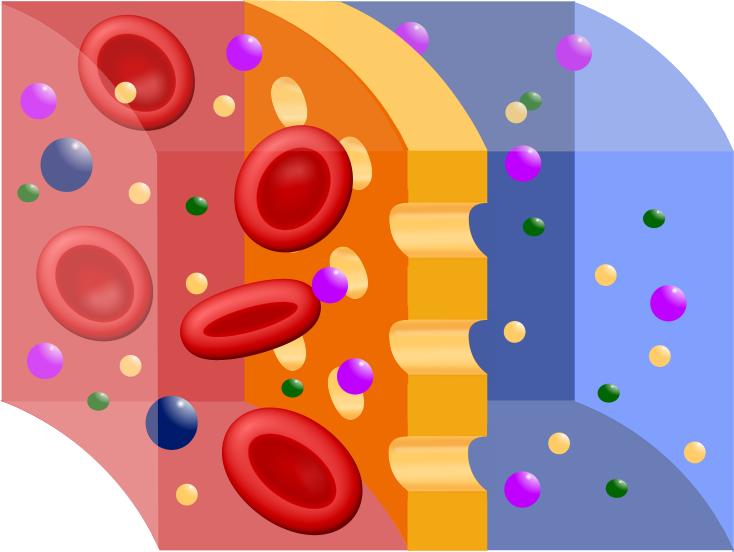
Image, Semipermeable Membrane, is from Wikipedia.
Thursday, October 29, 2009
Wednesday, September 30, 2009
As I mentioned in a recent post I have accumulated a large back-log of articles to discuss, and so am going to do a few weeks worth of quick-n-dirty article commentaries to catch up.
And so here it is, the 2nd Annual Palllimed Autumn Mag Citrate Bonanza (in reverse chronological order going down my pile):
1) Medical Decision Making has a study exploring patients wanting chemotherapy and hospice at the same time. It is reminiscent of research we discussed here. This study is based on a survey of smokers (not actual lung cancer patients, and who had a median age of 34 years) and asks them a series of hypothetical questions (essentially if you had incurable lung cancer, and these were the options presented to you, which would you prefer). They were given accurate, albeit simplistic, descriptions of ‘supportive care,’ chemotherapy, hospice care, and hypothetical combinations of those. Basically most subjects responded that they’d prefer chemotherapy and hospice at the same time. This should not be surprising since essentially what they were choosing in this research was 'The Most Care/Win Win' option (treatments to prolong their life, to attenuate chemo side effects and cancer symptoms, and added practical/emotional/spiritual support to boot). Sounds pretty good when the alternatives were not having one of those benefits, and I’m not sure extrapolating from this young/healthy population’s choice of More Help over Less Help particularly adds anything to our understanding of barriers to hospice care.
Which is not to say they’re wrong: having to forswear chemotherapy is a barrier, but a complicated one, and doesn’t answer the question as to whether we want hospice per se to be able to do everything for those with short prognoses (see related post link above). That is, I think part of this research seems to be rooted in the idea that as a society/medical system if someone has a short prognosis (less than 6 months) they should be in hospice and it's a major problem that so many aren't. I'm personally not sure that this is the case (hospice is underutilized, majorly, to be sure) - they should be offered hospice, they should be receiving superb palliative care (whether or not from a palliative specialist), and they should not be offered ineffective, burdensome treatments: 'The Problem' is that patients aren't getting this anywhere nearly as often/much as they should be. This is different from them 'needing' hospice, and that the 'fix' is just getting these patients into hospice. If we advocate for a system in which patients can receive ineffective, burdensome treatments plus hospice care to soften the blow - we aren't doing anyone a big favor.
(Thanks to Dr. David Weissman for alerting me to this article.)
2)
NEJM has a tidy review of renal failure in cirrhosis. It discusses, generally, its pathophysiology and treatment, and the role of liver and kidney transplantation in its management. While not - at all - palliative oriented, it does touch on prognosis, as well as provides a concise summary of the approach to this highly mortal situation that is not uncommonly seen by palliative clinicians at hospitals which manage these patients (ie – a nice brush-up article for the teaching file). The prognosis data are dismal: this article argues for a 50% 1 month and 20% 6 month survival for patients with cirrhosis and renal failure (without transplant). Yikes.
3)
On the social media & medicine side of things, JAMA just published a survey of medical school deans asking about concerns/history with inappropriate content posting to social media sites by medical students. It seems it is indeed an emerging problem. While a lot of the problem seems to be students whining and revealing themselves in undignified situations (drunk/suggestive party shots, etc.), there were also problems with posting confidential patient material (an issue more of a concern to medical bloggers and why we have tried to be very strict about this on our blog). Most of the reports to deans about this were from within the medical school (staff, other med students, etc.) and only 4% were from patients/families themselves.
4)
Social Sciences & Medicine has a qualitative study using grounded theory about the desire for hastened death (DHD) – based on extensive 1 on 1 interviews with 27 adults with advanced cancer at a cancer center in Toronto, all of whom endorsed some contemplation of a wish for a hastened death. These were sick patients – 70% died during the course of the study. The themes that emerged are consistent with what I think many of us who work with dying patients hear frequently. They found that DHD clustered around 3 themes: a hypothetical exit strategy if things get rough; an expression of despair, and a more peaceful-or-at-least-resigned, ‘letting go’ meaning. None of these themes and the quotes they give really are consistent with suicidality – these patients who expressed, at times, DHD, were not suicidal, at least in the way we usually think about suicide (that is – really/truly wanting to be dead; instead the patients wanted to feel better or, as they resigned themselves to the inevitable, had times when they wondered to themselves that given this was actually going to happen anyway why wait around).
It’s a fascinating read, if nothing for the quotes from patients and to hear what they go through (and the things that others put them through):
“I've experienced such incredible pain over the last little while and more in the last week. Such incredible pain that it made me think that death is preferable to this…I'll sit there for 2 hours in terrible pain. Such pain where I can't yawn even, and I get only half a yawn and my whole insides turn and waiting for the medication to start to work…I'd love to have 48 hours let's say, I'd love to have this weekend where I could plan to have a nice weekend and have no pain. I'd love to do that and it doesn't happen, and the pain affects everything. It makes you tired. It affects how you can eat. It affects your mood. It affects other people, and the fact is that even if you try to hide it, you can't… So that's hard…and I know it's gonna get worse, so that's hard too. It's great to be alive, and pain takes that life out of you, and to sit there for 2 hours with a blanket around you just shivering, with no solution, is really hard.”
“I find it difficult. The two extremes, where the people who tell me that I'm not going to die because God is good, and that God will save me in a miracle, and I say ‘God is good and sometimes He will save people in miracles. But if it was something that would happen to me – it would have happened already. So we have to accept the fact that there is no miracle here…that my time is over.’ And I also find it very hard, the other side, where I ‘love’ the people who constantly say there's nothing wrong with me, everything will be fine, because there is something wrong with me and everything will not be fine."5)
PLoS Medicine has a study about ‘prolonged grief disorder’ (aka ‘complicated grief’) which tries to validate proposed diagnostic criteria for PGD for the DSM V. The data come from the Yale Bereavement Study (which also generated this controversial and misunderstood JAMA paper about the stages of grief) and involved interviewing bereaved adults (~300, mean age 61 years, interviewed on average 6, 11, and 20-months post-loss).
This is a complicated, statistics-heavy paper (involving how they developed and validated the diagnostic criteria for PGD based on their data set) and I’ll freely admit it broke my brain reading it; this is to say that I can’t comment personally about how persuasive, or not, their proposed criteria are (an accompanying editorial is supportive however of the findings). It's a revealing insight for the uninitiated into how these new diagnoses get established.
The proposed criteria call for diagnosing PGD after 6 months post-loss, and the symptom criteria (you can read in the paper – Table 3) include yearning and the following other symptoms (and in usual DSM style, noting that these cause significant impairments, are not better explained by another disorder, etc. etc.).
- Confusion about one’s role in life or diminished sense of self (i.e., feeling that a part of oneself has died).
- Difficulty accepting the loss.
- Avoidance of reminders of the reality of the loss.
- Inability to trust others since the loss.
- Bitterness or anger related to the loss.
- Difficulty moving on with life (e.g., making new friends, pursuing interests).
- Numbness (absence of emotion) since the loss.
- Feeling that life is unfulfilling, empty, or meaningless since the loss.
- Feeling stunned, dazed or shocked by the loss.
Wednesday, September 30, 2009
Monday, September 21, 2009
We don't typically endorse products, webinars, conferences, job listings or much of anything else here at Pallimed, but when we do know about a resource that can impact your everyday palliative care work we want you to know about it.
Such is the case with the Hospice and Palliative Care Formulary USA ($75/$65 for AAHPM members) now being published in the 2nd edition from the founders of PalliativeDrugs.com, Robert Twycross and Andrew Wilcox. I wanted to write in more detail about why I access this book more often than any other palliative care book since I just ordered 6 of them for the teams I work with.
The first edition was printed in 2006 and my copy is dog-eared from carrying it around, showing it to hospice team members, lending out to fellows, residents, nurse case managers, copying a page for a pharmacist, referencing it for numerous presentations, etc.
Any other medication reference book (nursing or medical) has so many warnings/misinformation about the medications we commonly prescribe and administer in palliative care settings that general pharmaceutical reference books are essentially useless. I often find nurses and physician trainees who read some of those freebie/cheap Nursing/Medical Drug Guides begin to contradict basic palliative care understanding.
For some poor examples from referencing other drug guides...
"We can't give more than 5mg of morphine...the book says she might have respiratory depression."
"Octreotide? I don't see anything about small bowel obstruction but it does treat a VIPoma."
"Constipation? How about we try more fiber?"
Here is why I find HPCF-USA so useful:
- Detailed palliative care oriented medication information
- Extremely well referenced drug monographs - Awesome for talks
- FDA Approved indications clearly listed as well as likely palliative care uses
- Cost information (in actual dollars not some crappy $-$$$$ scale)
- Candid discussion about alternate route dosing/administration for many medications
- Detailed pharmacologic information in tables to compare different meds within a class
- A treatment monograph on 'Oxygen' - When was the last time you read 4 detailed pages about the ins and outs of oxygen therapy? Wonderful!
- Monographs on related but not primary palliative care meds - A whole section on antifibrinolytic drugs! Bronchodilators! Diabetes meds! Potassium! Magnesium! You get the point.
- Super helpful chapters covering meds in a meta-approach - Opioids and Fitness to Drive; Continuous Subcutaneous Infusions; Drugs Administered via Enteral Tubes
- Designed for use in the USA (as opposed to the UK version with UK only meds like diamorphine)
Here are the things I wish were included/changed/fixed:
- Better binding - it seems to be fragile after a lot of use, and my book gets used
- Not much info on fentanyl IV compared to transdermal and buccal routes
- The 2nd edition cover is a little boring compared to the Red, White and Poppy motif on the 1st edition.
Do you use HPCF-USA? Tell me what you like best about it.
Disclaimer: No kickbacks given to any Pallimed author because of this post. We did give away a HPCF-USA free edition back in 2007 for our winter contest. And it was pretty cool when I met Robert Twycross in Austin and he recognized my name from Pallimed and told me he was a big fan of Pallimed. But that is not why I wrote this. Obviously I think this is a super awesome book.
Monday, September 21, 2009
Monday, May 11, 2009
1)
This American Life (a public radio show) last week included a moving monologue by Dan Savage about his mother's death (you can stream or podcast TAL for free). We previously mentioned Dan Savage's column about his mother's death last year shortly after she first died. This piece expands some of the thoughts from that column and focuses on how her death effected his relationship with his former faith (he was raised Catholic, and his mother died devoutly Catholic), and is also just a deeply moving account of her death, his love for her, and his ongoing grappling with his loss. For those of you who don't know, Dan Savage is a sex-advice columnist, and basically nothing he writes could be considered 'Safe For Work' (even this - I think - I heard the unexpurgated version that was broadcast live to movie theaters last month and they may have edited it a bit for the radio broadcast) so don't go blasting this from your computer in insecure locations.
2)
Mayo Clinic Proceedings has a case-control study looking at the prognostic importance of acute kidney injury in non-(yet)-critically ill hospitalized patients. ('AKI' is a more general, and less threatening, term for what used to frequently be called 'acute renal failure' or 'azotemia' and is defined as a rise of .3mg/dl in serum creatinine within 48 hours.) This study takes a bunch of patients from one hospital who had AKI, matches them with age-matched controls, and compares outcomes. The study generates some good data, but is probably mostly only of interest for prognosis-wonks.
Basically: yes AKI is a profoundly important prognostic indicator for in-hospital mortality (those with AKI do much worse than those without); however taken alone it is probably not anything one can bring to the bedside. AKI was actually the most powerful prognostic indicator in the study - beat out age and number of comorbidities, for instance. Relative risk of in-hospital death was 10 for those with AKI (meaning those with AKI has 10x the risk of death than those without; again these were only age matched controls not co-morbidity matched); in a multivariate model those with AKI had an odds ratio of 8 for death compared to those without along with much longer hospital lengths of stay and transfer to ICUs. Overall hospital mortality was ~15% in those with AKI compared to 1.5% in those without; over 40% of survivors were discharged to other care facilities (not home) compared to 20% of those without AKI. So, bad, yes, but sort of in the category of hypoalbuminemia, hyponatremia, elevated uric acid, etc.: we know that those who have those findings do worse as a group than those who don't in multiple disease states, but doesn't help us much more, as individual findings, than adding to a gestalt impression....
3)
American Journal of Medicine has a paper about mid-long term prognostication in patients with non-cardiac vascular disease. It's a multicenter Dutch study which looks at ~700 patients undergoing vascular surgery (e.g. endovascular grafting, arterial stenting, carotid endarterectomies, etc.), all of whom underwent preoperative cardiac evaluation and were risk stratified by the Lee Risk Index. The LRI stratifies patients' operative cardiac risk based on the presence of: high-risk surgery, ischemic heart disease, history of congestive heart failure, history of cerebrovascular disease, insulin therapy for diabetes mellitus, and renal insufficiency.
This study follows these patients out for 3 years and looks at whether the LRI predicted survival over that time-frame.
Those with 3 or more risk factors on the LRI had a substantially worse survival at 3 years (hazard ratio 3.3; 3-year mortality of ~40%; most of those who died did so within a year of the index surgery). This is compared to a ~10% mortality at 3 years for those with no risk factors.
While this does not give us helpful short-term prognostic data, this is on par with the sort of data we get from the BODE index for COPD, so I thought I'd mention it. I'm curious as to whether palliative clinicians are seeing PVD/vascular surgery patients in their practice outside of those who are imminently dying: pain consults, goals/care planning, etc.? I see a few from time to time; it's a patient population which by all rights is 'perfect' for palliative care: severe PVD is a chronic, debilitating, highly morbid/symptomatic life-limiting illness.
Monday, May 11, 2009
Monday, February 16, 2009
(In 2007 and 2008 I posted previews for the AAHPM/HPNA Annual Assemblies. I started doing the preview because one of my favorite things about conferences is talking to other people to see what they are interested in, so feel free to comment on which sessions you are excited about. If you are giving any of these talks, I encourage you to leave some comments to get more people aware of your talk. There are some good ones!
This year the Annual Assembly is in Austin, TX from Wednesday March 25th until Saturday, March 28th.)
(Previous posts - Conference Overview, Wed Pre-Cons - AAHPM, Wed Pre-Cons - HPNA)
For the rest of the days of the conference I am not going to mention every single talk but point out what I feel are the highlights of the day, or if I just want to make a silly/witty/whatever comment on a particular title.
Opening Plenary Session: The Nature of Suffering and the Goals of Palliative Care
Eric Cassell, MD MACP, Weill Medical College of Cornell University & Betty Ferrell, PhD RN FAAN, City of Hope
This sounds like a great plenary session to open the main conference. I am very excited to hear these two talk about how people interpret suffering within themselves and see the suffering of others. I have not yet read Cassell's classic 1991 book "The Nature of Suffering and the Goals of Medicine" so if any readers would like to comment on their experience with that book please do. I am sure this talk will make me want to go out to buy it soon after the conference.
Autonomy Run Amok: Refashioning End-of-Life Decision Making
J. Andrew Billings, MD, Harvard Medical School and Massachusetts General Hospital
My peers from Kansas City have all agreed this is the talk we want to go to for the early session. Billings is a great speaker and the theme of autonomy runs through much of medical decision making in palliative care. When autonomy stomps all over other ethical principles the debris left over could be labeled moral distress
AAHPM/PDIA Community Leadership Award Presentation: Pallimed Founder and Contributors:
Drew Rosielle, MD, Medical College of Wisconsin
Christian T. Sinclair, MD, Kansas City Hospice and Palliative Care
What a fascinating pair of speakers! I already know you will be astounded by the verbal gymnastics and striking visual images compiled to entertain and inform. Seriously, we are just very humbly pleased to be formally recognized and would love to see you at the awards ceremony. Yes you have to pay $30 for lunch but we hope to see you there!
Special Interest group (SIG) Symposia:
A Fulfilling Practice in Hospice and Palliative Medicine: How Do You Get There?
Giovanni Elia, MD, San Diego Hospice and The Institute for Palliative Medicine
One of the first sessions presented by a SIG. This is a great way for the SIG's to get involved and present topics relevant to their membership. This one is really a forum of different HPM doctors talking about all the different ways to be a hospice and palliative medicine physicians. The variety of clinical arenas and involvement would surprise most people outside our field.
Controversies in Forgoing Artificial Nutrition and Hydration in Pediatric Palliative Care
David M. Steinhorn, MD, Children’s Memorial Hospital and Northwestern University
Melody L. Hellsten, MS APRN-BC PNP, University of Texas Health Science Center–San Antonio
Joel E. Frader, MD, Children’s Memorial Hospital and Northwestern University
On one hand an acceptable medical practice for adults should apply in principle to children as well. But what are the issues and qualities of pediatric care that actually change parts of the equation? It cannot simply be surrogate decision making since the same issues apply to patients with dementia or other impaired decision making. But those of us who have worked with pediatric palliative care challenges understand this 'feels' different. I am glad this issue is being explored at this conference.
Update on Palliative Care for Patients with HIV/AIDS: Inpatient, Outpatient, and International Perspectives
Jessica Merlin, MD MBA, Hospital of the University of Pennsylvania
Peter Selwyn, MD MPH, Montefiore Medical Center, Albert Einstein College of Medicine
Rodney O. Tucker, MD, University of Alabama at Birmingham Center for Palliative Care
Liliana De Lima, MHA, International Association of Hospice and Palliative Care
Mimi Rivard, MSN APN, St. Vincent’s Medical Center
I don't have much to say about the talk itself besides noting the diminishing HIV patient population in palliative care arenas with the advent of HAART has made the current crop of palliative care trainees less aware of HIV Palliative Care treatment options. I did want to point out the name Jessica Merlin a ID fellow with a strong interest in Palliative Care who is also the Vice Chair of the Professionals in Training SIG. The fact that she got this talk submitted and accepted with such a strong slate of speakers is impressive for not even really being in our field yet and still an ID fellow. She impressed a lot of people with her energy at last year's meeting.
Working in the World of Chronic Kidney Disease: Where, Oh Where, Is Palliative Care?
Charles V. Wellman, MD FAAHPM
Janice Scheufler, RPh PharmD FASCP
Hospice of the Western Reserve
Any bets on if they will sing in this session? A nominee for best title this year. And a good topic given the seeming conflict between the Medicare Hospice Benefit and the Medicare Dialysis Benefit.
Case Conference I
While a non-descript name, this session and the other three have been a product of the PIT-SIG to highlight rising learners in palliative care from multiple disciplines. I will have an upcoming post featuring the various topics and speakers. Try to get to at least one.
![Reblog this post [with Zemanta]](https://lh3.googleusercontent.com/blogger_img_proxy/AEn0k_tdTWBD5_rxGu0jmdRNed9O0vyHFXfloEklb1S7Rm9H76TAnKPlrrAodVa3HU_HtQzdlNE6Zk9m60xS0BRDyL4KyDEeL8imIJmWNwjnodzytsCQ8wMFdezduYotw--1y-V31DlvLO1kfm_PF7XeJ55p=s0-d)
Monday, February 16, 2009
Thursday, March 6, 2008
Briefies, in no particular order:
1)
An excerpt from the prognosis section:
Median survival after spinal cord compression depends on the patient's tumor type, ambulatory status, and number and site of metastases. Patients with a single metastasis, a radiosensitive tumor, or with myeloma, breast, or prostate cancer have the longest survival, while patients with multiple metastases, visceral or brain metastases, or lung or gastrointestinal cancers have the shortest. Even patients with responsive tumors, such as myeloma, lymphoma, and breast cancer, have relatively short median survivals of 6.4, 6.7, and 5 months, respectively; survival of patients with prostate or lung cancer is only 4 and 1.5 months, respectively. One-year survival rates for patients with spinal cord compression due to multiple myeloma, lymphoma, and breast and prostate cancers were 39%, 38%, 27%, and 22%, respectively, while that of lung cancer patients was 4%.2)
For COPD prognosis completists: The European Respiratory Journal has a study on the 6 minute walk distance test (basically the number of meters one can walk in 6 minutes in a controlled environment) & prognosis. The main purpose of the study is to compare various cut offs for normal 6MWD results, but it also gives some general prognostic information as well, although not with a precision necessary to help with decisions about hospice admission etc (no validated prognostic index/marker in COPD has been able to do this as far as I know). The data come from ~1300 patients followed across many years (potentially up to a decade) until they died (most were followed for about 5 years) and looks at their baseline 6MWD test and survival. 66% of patients with 6MWD of less than 350 meters (their threshold for defining a 'poor prognosis') died during the study (compared to 30% of those who had 6MWD over 350 meters). Frustratingly they don't actually say what the mean or median survival was; the time to 50% mortality, etc. - this 66% is just 'during the study time frame' (i.e. the 350 meter threshold is helpful for dividing 'better' and 'worse' prognosis but that's about it from how these data are presented). Tantalizingly they describe a relatively linear relationship between 6MWD and prognosis - with those with the worst results (less than 100 meters) having nearly a 90% mortality during the study...given that the mean follow up was 5 years you could kinda say this is a near 90% 5 year mortality but only kinda. This is one of the frustrating elements of reading the literature from a 'palliativist's' (as Christian likes to say) perspective and not from, say, a pulmonary researcher's perspective: what's important to them is not the same as what's important to us....
3)
JCO has an art of oncology piece looking at whether lying is easier than truth-telling when giving bad news. The actual study (which is presented in the 'art of oncology' section and without the usual research reporting rigors) involved 67 Greek medical students (all male for some reason) who were monitored and reported on their anxiety before and after a structured interview with a standardized patient. The scenario was that the standardized patient had just been diagnosed with recurrent brain cancer, had a short prognosis, etc.; some subjects were randomly assigned to being instructed to hide the truth from her (but refer her for treatment), others assigned to telling her the full truth, and the final group assigned to offer her dietary advice (as some sort of control). Basically the found that the full disclosure group disclosed more anxiety during and after the interview, and had more signs of it as well (elevated heart rate) compared with the 'lie to her,' and dietary groups. The authors conclude that one reason for concealing information from patients is to protect our own emotions/reduce our anxiety. Besides the obvious limitations here (young medical students, fake patient, the Greek factor, etc.) one also wonders if we actually needed a study to tell us that docs don't disclose the full truth to protect ourselves/our own emotions! On the other hand, why not try to prove it? I am hopeful this will form one tiny part of what appears to be a growing body of research which will show most patients want to know the truth, most patients actually measurably and materially benefit from knowing the truth, and we should stop making excuses for not doing it. I think this is what the research is showing, and I hope it will continue to show that (although it will be interesting and challenging if it doesn't). The caveat here is the "most"- most patients want to know the truth etc. - how to identify and what to do with those that don't? That's an interesting question....
 Pain Medicine has a study looking at the long-term side effects and tolerability of oral ketamine. By long term I mean 3 months, and by oral I mean 30mg five times a day. The data are observational and are from ~30 patients who were given IV then oral ketamine for chronic neuropathic pain. There is very little data about the tolerability and side effects of long term ketamine so this study is a valuable, although it fails to answer many basic questions. Findings: 12% of patients discontinued treatment due to intolerable side effects, and most patients had some side effects (dizziness 22%, sedation 19%, dry mouth 18%). None had hallucinations or hepatotoxicity or vascular side effects (hypertension). They gave no indication if side effects attenuated over time or anything like that and one assumes that 22% of patients at some point reported dizziness but it's unclear for how long, etc. My gloss on all of this is that many patients probably tolerated the ketamine just fine. Whether it was an effective analgesic cannot be answered by these observational data.
I'll also note that the article was written with a slightly off-kilter and charming use of the English language. Example:
Although a consensus in the strategy of its antineuralgic therapy has not been achieved (application form, minimal and maximal dose, dosage frequency, contraindications), it is clear now that the analgesic doses are significantly lower then [sic] the anesthetic doses. However, there have been reported some cases of side effects of high doses of ketamine that was administered for a long time. On the other hand, the concerns regarding the undesirable effects which are known from the anesthesiology have been cleared (hallucinations, activation of sympathetic system, salivation). These undesirable effects practically do not occur with the analgesic dosage. However, it has to be admitted that even the low doses of ketamine have their specificities which may surprise not only the patient but also the physician.5)
And even more briefly...
Annals of Internal Medicine has published ACP clinical practice guidelines on the pharmacologic treatment of dementia (associated evidence review here). Summary: yeah most of the agents used show statistically significant benefit in the studies but we're unsure if any of this is clinically relevant.
The same issue also has some letters responding to the advance directives paper from several months ago. From the cheekiest:
I would like to share an observation from a primary care practice of more than 30 years. During this time, I have offered advance directives to all my patients.... Although few have completed the advance directive, essentially all patients have expressed the wish to forgo life support in a situation that looks hopeless.... On the basis of this observation, I think the greatest flaw in the concept of advance directives may be the underlying assumption that, unless otherwise indicated, people want to be kept alive in such conditions as a persistent vegetative state. It might make more sense to continue to make advance directives available to everyone, but to shift the burden of necessary documentation to those rare individuals who want to continue care that seems futile to their medical providers.
There was also this commentary in JAMA - which has nothing to do with palliative care - but is nevertheless an interesting read: it has a little about the history of psychopharmacology, muses about the relationship between serendipitous clinical observation and advancing knowledge, and discusses alternatives to the hallowed randomized placebo controlled trial, etc. It's a commentary about how knowledge is generated - how we figure things out - and I liked it.
This is probably too much for one post - sorry.
Thursday, March 6, 2008
Sunday, November 11, 2007
1)
Supportive Care in Cancer presents another, negative, randomized controlled trial of methylphenidate in cancer patients. This study looked at ~60 (mean age 50) women with early & resected breast cancer who were starting adjuvant chemotherapy and randomized half to methylphenidate or placebo; this was a trial of prophylactic methylphenidate with the hope it would alleviate the fatigue and other symptoms associated with adjuvant chemotherapy. They took 10mg bid of methylphenidate throughout their chemo (average ~80 days), after a week's lead-in on 5mg bid (it should be noted that they used d-methylphenidate so these are hefty doses). Fatigue scales and a bunch of neuropsychiatric tests were run (looking at memory, attention, etc.).
There were no significant differences found between the groups regarding fatigue, cognitive changes, or quality of life. However, the study was severely under-powered - the researchers' goal was an N of 170 and they only achieved 60 (they noted that many of the subjects were reluctant to take another medication, particularly methylphenidate). So, unfortunately there is no good way of knowing if methylphenidate was doing something beneficial - if it was the magnitude of its effect is probably small. This seems like one of several recent, well-designed, supportive cancer studies I've come across lately which have suffered from poor accrual (although I can't off the top of my head remember what the others are) which is disappointing and underlies the difficulty of doing this research (particularly, perhaps, with scary-sounding drugs like 'Ritalin').
Unlike the last RCT looking at methylphenidate, this time the patients were not called daily by a research nurse, so no comment can be made about the hypothesis generated by that trial. One wonders, though, if this trial was born to fail - it has yet to be shown that methylphenidate is helpful for people actually experiencing fatigue, let alone for an undifferentiated group of people, many of whom will never significantly suffer from fatigue anyway.
2)
Advances in Chronic Kidney Disease's latest issue is on mental health/symptoms/palliative care in patients with chronic kidney disease. There are two articles of particular relevance to palliative care.
First is one on, well, palliative care in CKD - focusing on illness trajectories, communication, and hospice use. It's a general review aimed at nephrologists.
The second looks at dialysis discontinuation. It reviews the research literature on the topic and discusses the practice at length. Apparently 25% of deaths of dialysis patients in the US are preceded by a decision to stop dialysis (assuming that most of the remaining 75% didn't die suddenly/unexpectedly I find this figure stunningly low). The study dramatically presents the wide variations in practice/experience around dialysis abatement in different regions/countries confirming practice around this is highly dependent on local culture and practice. While a thorough, in depth review of the topic, what I found most interesting was the author's suggestions for moving the research away from 'medical' priorities to patient/family centered priorities - information needs, communication needs, family needs.
3)
A couple briefly:
Postgraduate Medicine recently had a review of delirium in advanced disease. It's pretty basic.
Internal Medicine Journal has a study showing that palliative medicine docs aren't any more burned out that other specialists (read another way - they're just as burned out as other specialists). These are docs in Western Australia, where my parents are from and where I lived most of my first 7 years, so maybe I'll head back home when I hit my midlife slump. Seriously, though, this is going to be an important issue as our profession matures. (How much grief and conflict can one take? How do we, as a professional community, prevent burn-out?)
4)
Last week's This American Life (a public radio program) was called 'How to Rest in Peace' and included 3 pieces: two about coming to terms with a parent's death (murder) and which involved an interview with a man whose mother openly planned her own suicide for 20 years before actually doing it (she was so afraid of a horrible death 'with tubes' etc. that she had meticulously planned a suicide to be carried out before she got really ill). The first two, although about murders, were also about grieving, 'closure' (or not), and meaning making (or not) after a traumatic death - and a lot of it will resonate with anyone who witnesses grief in their work. The last segment is one of the few personal narrations I've encountered about what is essentially an 'assisted suicide' (no physicians were involved) and is interesting listening. It brings up issues of meaning in decline (or not), what a good death is, 'controlling death,' and the effects of such a death on a family (in this case it wasn't necessarily bad).
TAL broadcasts are available for free streaming or download/podcast.
Sunday, November 11, 2007
Tuesday, November 6, 2007
2 articles about which I mostly opine on what I wish they said, and a couple more for good measure.
1)
NEJM recently had a clinical practice review on assessing 'competence' of a patient to consent to treatment (free full-text here).
The author responds to the question implied by my use of quotation marks around 'competence' above with this:
'The terms "competence" and "capacity" are used interchangeably in this article, since the oft-cited distinctions between them —competence is said to refer to legal judgments, and capacity to clinical ones — are not consistently reflected in either legal or medical usage.'
I had thought that that distinction was consistently maintained and I think it does make sense to linguistically distinguish between those patients who have been deemed medically and legally to indefinitely lack the compentence to make medical decisions and those who are deemed to lack the capacity to make the medical decision before them - like a delirious patient who needs an operation - without necessarily an implication of the permanence of the incapacity.
The article itself is the most basic of overviews and is likely not of interest to the established palliative practitioner, but is a good one for the teaching files.
The case that the article references involves an elderly woman with perhaps some cognitive impairment and depression who declines a life-saving amputation. The author notes that the patient likely has capacity to make this decision, but I was left hoping he would discuss what we should do about someone who is incompetent but who can still express wishes about what they want, and who refuses to assent (since they can't technically consent) to potentially life-prolonging medical care. What if the patient was schizophrenic (with active and disabling psychosis) and refusing amputation? What if it wasn't amputation but life prolonging chemotherapy that was indicated? How do we accomodate patient's values/wishes even if they themselves cannot really understand? And what if those wishes/values conflict with what their legal decision maker (guardian/proxy) wants for them? These are issues which I encounter from time to time, and I usually muddle through them with getting second opinions, consulting ethics, and talking talking talking until there's consensus, and the case here would have been a prime example of talking about this.....
I've never done a lit search on it: anyone know of any good papers about this?
2)
Seminars in Dialysis has a discussion about requests for dialysis in severely brain injured or demented patients. It's a practical, chatty overview of the topic, which seems to be directed at nephrologists who don't have much background knowledge of end of life communication and decision making. I was hoping it would address the practice which I've seen occur numerous times & in several locales of nephrologists' decisions about withholding dialysis being the catalyst to family members and/or primary teams to realistically address that someone is dying and implement appropriate terminal care. These situations can happen, for instance, with critically ill severely demented patients or patients with end stage liver disease who are declining despite an escalation of care in the ICU whose care plan gets (dramatically and appropriately) re-defined towards comfort care when the nephrologist, consulted because the patient is in acute renal failure, tells the primary team or family that dialysis is not indicated/they're not going to initiate it because the chances it will help restore the patient to health are negligible. At times this can happen after protracted conflict between the primary team and family about care goals. (And at times of course the nephrologist's recommendations are summarily rejected by the family/primary team/both.)
Anyway the article doesn't particularly talk about this, so I'm not sure why exactly I am, other than that I've always been curious to see what the discussion within the nephrology community has been about this. The article does make some very welcome points about advance care planning in dialysis patients including discussing (from the beginning) circumstances under which the patient would not want to continue with dialysis.
3)
CMAJ has a qualitative study on perceptions of 'futile' care in the ICU (free full-text here). It comes from interviews of ICU clinicians (docs, nurses, respiratory therapists) about 'futile' care. A lot of what is mentioned is what one would expect. What struck me was the sense that these clinicians had of their inability to change outcomes in these situations, as well as a lack of institutional support and fear of liability. Not wanting to discount the suffering of patients/families in these situations but it is clear that these are situations which cause a great amount of suffering for clinicians themselves: feelings of inadequacy, impotence, lack of support, and fear.
"We did not attempt to generate a consensus definition of futile care because we felt that the effort itself would have been futile in view of prior unsuccessful attempts by others in the medical literature."
This is not just a little joke - it's true - futility is a concept which is nearly impossible to define in a way that's meaningful for real clinical practice (an appendectomy for lower extremity cellulitis would be a futile therapy but conceptualizing it this way doesn't really help anyone out). Which makes me wonder why we are still talking about it as a medical community because what we're really talking about is the provision of care that a doc/medical team/whomever deems is inappropriate/highly unlikely to help/whatever. Trying to label this sort of care 'futile' helps us emotionally - declaring something futile gets us off the hook in some ways - but it's a divisive word that erases the patient's/family's values. Instead it seems we should be talking about how do we respond to requests for care that are highly unlikely to help a patient? How do we resolve those conflicts? And how do we care for ourselves as we encounter situations in which we feel like we are being asked to do patients harm by providing non-indicated and (in our opinion) needlessly burdensome care?
4)
Pain has a study about the facial expressions of pain in demented patients (average mini-mental status exam score 16/30), concluding that yes, demented patients reliably demonstrate facial evidence of pain in response to painful stimuli. The study involved, yes, causing these demented patients pain and comparing them to healthy, age-matched controls. When I read the abstract I immediately wondered how they were able to do this study - who consented to have these demented patients subjected to pain? Per the methods:
"We took care that only patients with dementia were included in the study who still had legal capacity. After being informed in a slow and simple fashion, which was adjusted to the individual intellectual capacities, subjects gave written informed consent. We also provided instructions during testing as simple as possible and monitored the patients continuously for any signs of undue discomfort (verbally or non-verbally), in which case we stopped testing immediately. Healthy subjects were paid for participation."
(!)
One assumes, then, that the demented patients weren't even paid?
Tuesday, November 6, 2007
Thursday, November 1, 2007
Part 2 of my previous post: breast cancer prognosis, emotional well being and cancer survival, dialysis survival, don't tell mother, opioids and respiratory depression, informed assent for DNR orders, fMRIs, The Undertaking, Hinduism, comment email updates.
1)
A couple from Cancer.
First is one on prognosis in breast cancer patients with CNS metastases. It's basically a case series of >400 patients treated at MD Anderson with breast cancer and CNS mets. Major findings: median survival after diagnosis of any metastases was 21 months; median survival after diagnosis of CNS metastases was 7 months. Nothing was significantly correlated with longer survival except younger age and estrogen receptor positivity. They do give this helpful information, however, about long-term survivors:
"Eighty-two patients (19.5%) were alive at least 18 months after diagnosis of CNS metastasis. Of these 82 patients, 25 patients (30%) had HER-2-positive breast cancer. Furthermore, 18 patients (4.2%) were alive at least 60 months after this diagnosis. The median age of these relatively longer surviving patients was 42 years. Most of these patients had tumors of the ductal histologic type, tumors classified as T1 or T2, lymph node status N0 or N1, and a metastatic status of M0 at diagnosis. Approximately 50% of these patients had ER-positive or PR-positive disease, and 73% had grade 3 disease. Forty-six percent of these patients had a single CNS metastasis."
The other is a study on survival and emotional well-being in head and neck cancer patients. The data come from prospectively gathered trial data from a couple head and neck cancer radiation studies in which quality of life and emotional well-being were collected (at baseline and throughout). Basically, emotional well-being had zero effect on survival (whereas things like age, baseline performance status, etc.) did. No power analysis is mentioned at all - one assumes it was done for the trial portion of this study but not this secondary analysis and there's definitely a concern for type-II error. How much concern? Well you can't know without the power analysis so.... The authors rhetorically frame their study as being a counter to the apparently widely held belief that one's emotional state is a predictor of outcome in cancer. I wasn't aware of this belief (other than one that cancer patients themselves have - 'gotta keep positive' - which itself is not an indication of emotional well-being) being seriously endorsed by the medical community but perhaps I'm naive. Comments?
2)
CMAJ recently had an article about prognosis in elderly patients receiving dialysis (free fulltext here). It looks at survival in patients over 65 years old who started dialysis between 1990 and 1999 (using data from a Canadian, nationwide, voluntary database). It found that more 'very-old' patients were initiating dialysis and that survival had, overall, improved a little across the decade. Long-term survival however remains quite poor: for patients 75 or older at the time of dialysis initiation 1, 3, & 5 year survival rates were 69%, 37%, and 20% respectively (life-expectancy for a 75-79 year old initiating dialysis was estimated to be ~3 years).
A quote from the accompanying editorial:
"Optimal provision of renal replacement therapy continues to present formidable challenges to patients, family members, health care professionals and policy makers. To date, most of the large trials including patients with end-stage renal disease have focused on "hard" outcomes like death and cardiovascular disease, and the results have been disappointingly neutral. Patient-perceived quality of life has rarely been used as a primary consideration. This is surprising, especially when one considers the financial costs of renal replacement therapy and the ambivalence felt by many patients who are considering these therapies."
3)
Supportive Care in Cancer presents further observational data that respiratory depression is rare during opioid titration. The current study echoes the previous one I blogged about except that this time the patients were receiving intravenous hydromorphone for dyspnea. It involved 14 advanced cancer patients (mean survival 20 days) admitted to a palliative unit with moderate to severe dyspnea for whom opioid therapy was being started (patients with COPD were, unfortunately, excluded). Findings: at 120 minutes dyspnea improved, respiratory rate decreased (39 to 29/minutes), and O2 sat and pCO2 (transcutaneous measurements were used) didn't significantly change. While this is swell, and supports the observation that opioids palliate dyspnea at non-respiratory depressing doses, it doesn't help answer the more urgent question of what happens with patients at high risk of respiratory complications of opioids (i.e. people with advanced COPD and who retain CO2 at baseline, those using other CNS depressing meds, etc....). The COPD literature on this has also demonstrated the safety and efficacy of opioids for dyspnea in a handful of small trials but have avoided studying the patient population we're most worried about - those who retain CO2. If opioids are shown to be safe - great, and maybe they will be used more appropriately for high risk patients with refractory symptoms - but even if they're shown to actually increase pCO2 in high risk patients that doesn't mean they're inappropriate to use - it just (at least for me) helps to better define the risk.
4)
JCO has an Art of Oncology piece about requests from families not to give bad news to a patient. It's a practical primer on the topic - one which I know gives many clinicians belly pain (I am constantly asked by housestaff what to say when the family stops you in the hall and asks you not to tell the patient what's going on). I particularly appreciated the first words in its section on responding to such requests: Do Not Over-React. Which reminded me of this.
5)
Chest has a point - counterpoint - rebuttal series on 'informed assent' (not consent) for DNR orders in the ICU. The 'point' is a proposal that physicians, when they strongly feel that CPR is not indicated for a critically ill patient, basically ask for assent from families for a DNR order and not ask for consent. The difference being in the first the physician explains the situation, recommends a DNR order, and then asks the family if it's ok with them that she or he makes that decision vs. asking the family what they'd want, or if they'd agree to a DNR order. (The distinction is real, although it can be subtle, and the article would have been greatly strengthened by providing examples of actual language.) The background to this, which the authors frame, is that many family members feel the 'tyranny of autonomy' when they are asked to make what feels like life & death decisions and may be reluctant to actively endorse treatment limitations because it feels like they're endorsing 'letting the patient die' (even if, medically speaking, the patient is dying anyway). So, if the physician offers to take over/take the responsibility for the decision (with the family's assent), it can be emotionally easier on the family. The counterpoint is pretty interesting, but one has the sense from it that the author feels, in fact, that patients/families have a right to receive medical care even if no one else thinks it's indicated.
6)
Continuing to track the fMRI & prolonged states of unconsciousness thread running through the recent scientific and popular literature...a recent New Yorker had an article by Jerome Groopman about this. It's less philosophically minded that the Salon piece I wrote about earlier. My sense is that in the not too distant future this and similar technologies are going to be widely clinically available, we may or may not however know what to do with the data, but it's going to make decision-making that much more complicated for us and grieving families, so we'd best be ready.
7)
After having watched it, I would definitely mention the PBS show about Thomas Lynch, 'The Undertaking.' There's a transcript of an interview of a couple who were featured in the documentary (who's son died of a rare genetic disorder) which is worth a read:
"A lot of our friends or family, even if they weren't uncomfortable, were just inexperienced. So it was hard. We were all fumbling through it, and when you're talking about a child dying, it just seems wrong. So people feel more comfortable remaining hopeful: "Oh, well, he just might get better," or, "Maybe this new medicine will work," or, "Maybe when he turns two," or "There's always this hopeful future." And we would a lot of time have to speak that way with other people and then come home and feel different, feel like that's really what wasn't going on. So in that it felt lonely."
I've mentioned before on the blog my discomfort with hope-talk ("you're either a survivor or nothing") and so I was particularly struck by their mention of the isolating aspects of it. (In the interview a major theme that this couple brought up was that what they really liked about hospice was the simple fact that they could talk with someone about what is actually happening.)
8)
The Journal of Pain has a review on pain and suffering in Hinduism and potential implications for pain management.
9)
Finally, Blogger has added an enhancement to the comments. You can subscribe (via email - Google account required unfortunately) to a post's comments so that you can automatically be updated if someone has commented on a post you're interested in or have yourself commented on. (Click on the 'Email follow-up comments to...' box in the comments page.)

Thursday, November 1, 2007

