

Tuesday, March 15, 2016
 Leela* was a 93-year-old female who had lived a long,
happy and fulfilled life. She had been married to the love of her life for 55
years, had 3 children and many grand children. She had a long and satisfying
career in health care and was very sure of her wishes about death and dying
till she developed progressive Alzheimer’s dementia which became very advanced
by age 93. She lived at home with her daughter Jennie, her caregiver and power
of attorney for past 3 years. Unfortunately Jennie herself was recovering from
a stroke she suffered last year. It left her with expressive
aphasia and inability to drive.
He still wanted no CPR or intubation, but did not agree with hospice philosophy.

When: Wed 3/16/2016 - 9p ET/ 6p PT
Host: Vikranta Sharma MD Follow her on Twitter @vikranta_sharma
If you are new to Tweetchats, you do not need a Twitter account to follow along. Try using the search function on Twitter. If you do have a Twitter account, we recommend using tchat.io for ease of following. You can also check out the new site dedicated to #hpm chat - www.hpmchat.org / @hpmchat
Tuesday, March 15, 2016
Tuesday, March 8, 2016
by Christian Sinclair
This is the Saturday, March 12, 2016 preview for the AAHPM and HPNA Annual Assembly. To learn more about this conference check out our overview, or see the previews for Wednesday, Thursday, and Friday.
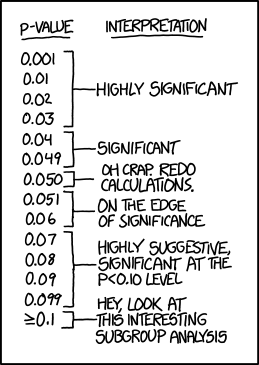
When it comes to comedy and research, there are few who can make it work. Maybe Improbable Research or xkcd, but not many others, except for the State of the Science presentation, this year presented by Dionne-Odom and Smith. Reliably incorporating clever and relevant jokes, this one is a must-see. Especially because we should be doing all the things highlighted in state of the science. They usually cover 6-10 studies and if we just did the things discussed in them each year, all our programs could be improving year over year.
After that you have some tough choices to make. Some big names are talking at the same time, but in different rooms: Charles von Gunten, Amy Abernethy, Diane Meier, Thomas Smith. You have to go with the topic that interests you most, but with choices like that you shouldn't be disappointed. Plus Twitter can help you catch highlights from the other rooms!
At noon is a special town hall-like panel with leaders from AAHPM, HPNA, and NHPCO on Critical Conversations: End-of-Life Care Treatment Options. This is such an important topic to the hospice and palalitive medicine community because we have members working in states where physician-assisted death is legal, and others where it is illegal but being considered. I'm very interested in how this session goes, because we need to have open dialogue about these large cultural forces which influence our work.
In the afternoon on the last day, you get your last chance to hear from the Developing Country Scholars who can help put our local barriers and opportunities in a whole new light. Maybe even inspire you to reach out to a international program and see how you may contribute. "Why Do I Still Hurt?" An Integrated mode of Survivorship and Palliative Care by Chwistek, Ewerth, Gallagher Amrhein and Ebersole is something I see a need for as I do more work in an outpatient clinic. There is a huge gap here and palliative care cannot fill it alone. And to finish off the day, I'm struggling between talks on organ donation, inotropes in advanced heart failure and opioid dosage errors. I guess I'll just have to buy the recordings!
Christian Sinclair, MD, FAAHPM is editor of Pallimed, president-elect of AAHPM, and a palliative care doctor at the University of Kansas.
Image credit: P-values by xkcd.com via Creative Commons License
Tuesday, March 8, 2016
by Christian Sinclair
This is the Friday March 11, 2016 preview for the AAHPM and HPNA Annual Assembly. To learn more about this conference check out our overview, or see the previews for Wednesday, Thursday and Saturday.

After the plenary, two sessions really caught my eye: Dignity Therapy: Narratives at the End of Life by Weckmann, White and Montross Thomas and "Bas Sona": Healing versus Sedating Using a Celtic Framework for Total Pain by Dieter, Waitkevich, Williams and Berry. Having read so much about Dignity Therapy, it will be nice to hear directly from practitioners applying the knowledge. And with Bas Sona, you got me hooked because I have no clue what it is, and my curiosity gene has been tickled.
Botulinum toxin for symptom control, pediatric VADs, and helping the unbefriended are all unique topics covered Friday afternoon, so don't think about playing hooky just yet. The one that catches my eye is the Prognostication, Relatedness and Hospice Formulary talk by Crook, Harrold, Lund Person, and Sears. Even though I am not a current hospice medical director (HMD), this topic is really important to sustainability of hospice organizations, and the threat of audits when rules are not clear or unequally followed in the community.
Later that day, the session by Kaye, Mahoney, Lyman and Cunningham on Face-To-Face Interdisciplinary Postmortem Review as a Tool to Mitigate Complicated Bereavement and Promote Legacy Building is intriguing because the title is one of the longest, and it sounds like a unique way to still care for patients and families even after death.
This day also has a few opioid safety sessions, which honestly you didn't see much at this conference in the past. Will a Better Mousetrap Help When You Work In A Lion's Den? What is the Role of Abuse-Deterrent Pharmaceuticals in Hospice and Palliative Care? by Barclay, Ray, Klempter, Capobianco and Why Are You So Scared? Managing Risk and Safe Prescribing of Opioids in Hospice and Palliative Medicine by Esch and Goldberg both highlight the difficulties of balancing access top pain medications and protecting the larger public health concern over opioid overdoses.
On Friday evening, many of us may be going out to sample the fine food in Chicago, but consider going to the Service of Remembrance and Celebration from 6-7pm before dinner. A solemn but meaningful opportunity to honor those in our field and those close to home.
Don't forget Friday is also the last day to see the exhibits and posters!
by Christian Sinclair
This is the Thursday March 10, 2016 preview for the AAHPM and HPNA Annual Assembly. To learn more about this conference check out our overview, or see the previews for Wednesday, Friday and Saturday.
Christian Sinclair, MD, FAAHPM is editor of Pallimed, president-elect of AAHPM, and a palliative care doctor at the University of Kansas.
by Christian Sinclair

Looking at a full day of pre-conferences, there are some real gems here. If you have not been to the pre-cons before, maybe because of time or cost, I would encourage you to take a closer look. The Vital Talk faculty will be there, which would be a good preview if you have ever considered going for more communication training. (Yes, even palliative care clinicians can benefit from more communication training!) Another popular one will be Mary Lynn McPherson's Medication Management workshop from 8-5pm. She packs in so much good information into her 60 minute presentations, this will be like taking a 1-year fellowship in one day! You have 19 to chose from, and I bet a few are already at capacity if you have not registered by now.
After the workshops, I'm excited to attend the AAHPM New Member and First-Timer reception and the AAHPM Physicians-in-Training reception. I remember being a fresh fellow in 2004 in Arizona at my first AAHPM conference like it was yesterday! If you fit into either of these groups, especially you fellows, get there!
After the receptions, the posters and exhibit hall open, which is where you will find me geeking out on all the studies, taking pictures of the posters, and seeing old friends. This
Looking at the printed materials, you'll see the plenary speaker listed as Ezekiel Emanuel. You may have missed the email and other communications, but the Wednesday speaker is now ZDoggMD. A big change in tone and background between the two, but given the reach that ZDoggMD has with his medical parody music videos, I am very excited to hear what he has to say (and sing?) Oh, you have not heard of ZDoggMD? Watch his "Ain't the Way to Die" video and then check out this interview Dr. Michael Fratkin did with Dr. Zubina Damania (his alter ego) for Pallimed.
Monday, March 7, 2016
by Christian Sinclair
In the early days of Pallimed, we would commonly run a preview over several posts in anticipation of the Annual Assembly meeting since it is the key conference for the American Academy of Hospice and Palliative Medicine (AAHPM) and the Hospice and Palliative Nurse Association (HPNA). We stopped doing it for unclear reasons, but last year two different people asked me about it at the meeting, so let's bring it back!
The 2016 meeting is this week in Chicago (home to AAHPM) and runs from Wednesday pre-conferences to Saturday afternoon. Check out the full brochure and listings here.
If you are going and a fan of Pallimed, it would be good to do three things first:
- Tell us you are going to Chicago on our Facebook Event page, and share what you are learning.
- Brush off your Twitter account so you can follow the conference, share what you learn and spread the good news of palliative care. (This one is good even if you won't be in Chicago!)
- And finally come to the 10th Pallimed / GeriPal Party on Thursday night!

The education is great, I always bring back new ideas to share with my peers. I am most excited about the chance to see old friends, meet online friends (IRL!), and discover new people who have many wonderful things to add to this community. So if you see me, come say hello and do not be shy.
End-of-Life Conversations at Dinner returns this year. The slots are all booked, but you may want to check with conference staff if there is a wait list. I heard really good things about this last year. Plus you'll still get done in time to meet us for the Pallimed / GeriPal party. Have I told you about that yet?
It may be too late to read the whole book, but The Good Doctor: A Father, a Son and the Evolution of Medical Ethics is the book club selection this year. We don't have a review up on Pallimed for this book, but if you read it for the book club and would like to write something up, we'd love to see it.
And in the super cool but probably totally booked department, Hatha Yoga on Thursday and Friday morning for getting your mind and body ready for a full day of palliative care learning. And unique to the Chicago location to museum tours at The Art Institute of Chicago. If you can't get in on these tours, you can always stop by on your own free time, but wow, what a neat excursion. You probably missed out on staying the night in Van Gogh's bedroom too. The museum is open 10:30-5:00 each day, except for Thursday when it stays open until 8pm.
You may not think it is interesting, but the business meetings for both organizations (Friday) are critically important. If you have never been, grab a friend and go. You'll learn where your membership dues go, and understand just how much is being done in the field.
Get to a Special Interest Group (SIG) meeting if you have not been to one. There are over 25 now for AAHPM, and several for HPNA. If some unique part of our field really interests you, then find like-minded souls and make something great together. It always surprises me how many attendees who have been to this meeting numerous times, have never been to a SIG meeting.
And please come to the Pallimed / GeriPal Party on Thursday night. 10 years we've doing this! It's fun!
Don't forget to check out the Wednesday, Thursday, Friday and Saturday previews which will be published Tuesday!
Christian Sinclair, MD, FAAHPM is editor of Pallimed, president-elect of AAHPM, and a palliative care doctor at the University of Kansas.
Monday, March 7, 2016
Thursday, March 3, 2016

Details: If this is your first time or your 10th time, we invite you to come out to the annual Pallimed / GeriPal party that is a tradition at each Annual Assembly of AAHPM, HPNA and SWHPN. We had a great turnout for the progressive party last year in Philadelphia and will be hitting some great Chicago establishments Thursday Night.
Who: All are welcome. You don't have to read Pallimed or GeriPal, subscribe, to us, use social media, pay an admission, or anything. Meet some of the contributors to both Pallimed and GeriPal all evening.
When: Thursday March 10th, Start time 9pm, End time: TBD
Where: New this year is ACP (Advance Celebration Planning). Social media will help you know where we are, but we wanted to at least communicate our goals for our quality of life that evening. These are rough guides. Follow our Twitter and Facebook feeds or search for #hpmparty to find exactly where we are.
- 9pm Cindy's Athletic Club - Top of the Chicago Athletic Association Hotel, 12 S. Michigan Ave
- 10pm Plymouth Rooftop Bar - 327 S. Plymouth Ct
- 11pm Kasey's Tavern - 701 Dearborn St

Pallimed Twitter Feed - Pallimed Facebook Page
GeriPal Twitter Feed - GeriPal Facebook Page
#hpmparty Twitter Feed

Thursday, March 3, 2016
Monday, February 29, 2016
by Kevin Madden, MD
Just as in any medical specialty, there are “bread and
butter” aspects of Pediatric Palliative Care – situations we encounter on a
frequent basis that we are quite comfortable in dealing with. Pain management, constipation, family
meetings, resuscitation status and discussions about goals of care certainly
are at the top of that list.

What: #hpm (hospice and palliative med/care) chat on Twitter
When: Wed 3/2/2016 - 9p ET/ 6p PT
Host: Kevin Madden MD Follow him on Twitter @madden_kevin
If you are new to Tweetchats, you do not need a Twitter account to follow along. Try using the search function on Twitter. If you do have a Twitter account, we recommend using tchat.io for ease of following. You can also check out the new site dedicated to #hpm chat - www.hpmchat.org
Photo credit: ZebraPen.com
Monday, February 29, 2016
